



Diospyros virginiana 'Male Persimmon'
Male Persimmon, Male Eastern Persimmon Tree, Male American Persimmon
$69.99
- Main interest:
- male variety, pollinates Diospyros virginiana, attractive reddish-orange fall foliage
- Exposure:
- full sun
- Soil humidity:
- dry to moist soil; well drained
- Flower colour:
- creamy yellow
- Fragrance:
- Fragrant
- Flowering period:
- June
- Foliage:
- green turning striking orange in the fall
- USDA Hardiness:
- zone 4b: -31.5 °C (-25 °F) View Zone Map
- Mature height & width:
- height: 60 ft (18 m) width: 30 ft (9 m)
- Use:
- orchard, specimen
Valuable as a pollinator, this Male persimmon (Diospyros virginiana 'Male Persimmon') ensures your American persimmon varieties grow and produce bountiful crops to their full potential. Male Eastern persimmon trees do not bear fruit; however, they offer striking ornamental value, especially with the stunning fall foliage commonly associated with persimmons.
Eastern persimmon tree is native from Connecticut to Kansas and south to Florida and Texas. These native persimmons are significantly more cold-hardy than Asian persimmons, with the male common persimmon hardy to zone 4b (-31.5 °).
Eastern Persimmon trees are typically dioecious, meaning male and female flowers occur on separate trees. Some trees may produce perfect flowers (containing both male and female parts), but their occurrence is inconsistent and should not be relied upon for fruit production. For cultivars and female seedlings to bear fruit, cross-pollination is required.
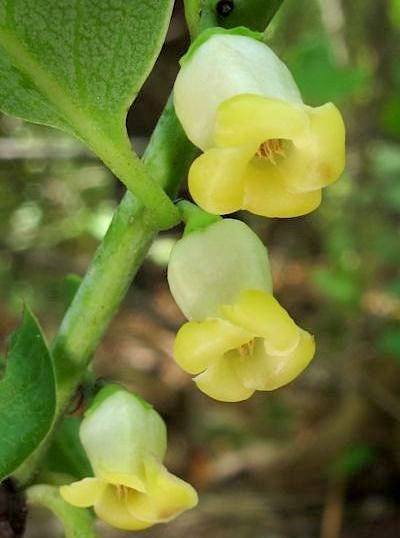
On this male persimmon, small (approximately 1 cm), creamy-yellow flowers appear in clusters in June. Their fragrance attracts pollinators - with bees being the primary pollinating insect -allowing the tree to fulfill its essential role of pollinating nearby female trees. A single eastern persimmon male tree can pollinate multiple female trees, significantly improving fruit size, consistency, and overall yield.
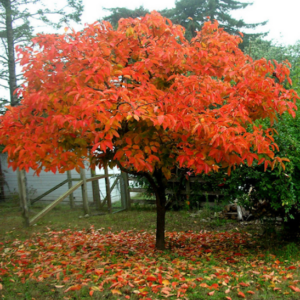
Diospyros virginiana is a deciduous tree with a rounded to oval crown and an upright growth habit, capable of reaching 18 m (60 ft) at maturity. With regular pruning, it can be maintained as a small to medium-sized tree under 4 m (12 ft). Although it does not bear fruit, the Male Persimmon makes an attractive ornamental landscape tree due to its handsome foliage.
The glossy green, ovate leaves turn a striking reddish-orange in autumn before dropping. The bark of Diospyros virginiana is highly distinctive - dark gray to nearly black, with deep furrows and blocky plates resembling alligator scales - making it easily recognizable in winter. A member of the ebony family (Ebenaceae), persimmon wood is exceptionally hard and was historically used for golf club heads and billiard cues.
Male american persimmon prefers full sun, though it will tolerate partial shade. It grows best in moist, well-drained soil and becomes drought tolerant once established. No serious insect or disease problems are known. Be patient - persimmons are among the last plants to break dormancy in spring. Watering while dormant will not accelerate growth and may even be detrimental. In cool springs, trees may take longer than expected to leaf out; they simply require more heat to awaken.
- Main interest:
- male variety, pollinates Diospyros virginiana, attractive reddish-orange fall foliage
- Exposure:
- full sun
- Soil humidity:
- dry to moist soil; well drained
- Flower colour:
- creamy yellow
- Fragrance:
- Fragrant
- Flowering period:
- June
- Foliage:
- green turning striking orange in the fall
- USDA Hardiness:
- zone 4b: -31.5 °C (-25 °F) View Zone Map
- Mature height & width:
- height: 60 ft (18 m) width: 30 ft (9 m)
- Use:
- orchard, specimen
Valuable as a pollinator, this Male persimmon (Diospyros virginiana 'Male Persimmon') ensures your American persimmon varieties grow and produce bountiful crops to their full potential. Male Eastern persimmon trees do not bear fruit; however, they offer striking ornamental value, especially with the stunning fall foliage commonly associated with persimmons.
Eastern persimmon tree is native from Connecticut to Kansas and south to Florida and Texas. These native persimmons are significantly more cold-hardy than Asian persimmons, with the male common persimmon hardy to zone 4b (-31.5 °).
Eastern Persimmon trees are typically dioecious, meaning male and female flowers occur on separate trees. Some trees may produce perfect flowers (containing both male and female parts), but their occurrence is inconsistent and should not be relied upon for fruit production. For cultivars and female seedlings to bear fruit, cross-pollination is required.
On this male persimmon, small (approximately 1 cm), creamy-yellow flowers appear in clusters in June. Their fragrance attracts pollinators - with bees being the primary pollinating insect -allowing the tree to fulfill its essential role of pollinating nearby female trees. A single eastern persimmon male tree can pollinate multiple female trees, significantly improving fruit size, consistency, and overall yield.
Diospyros virginiana is a deciduous tree with a rounded to oval crown and an upright growth habit, capable of reaching 18 m (60 ft) at maturity. With regular pruning, it can be maintained as a small to medium-sized tree under 4 m (12 ft). Although it does not bear fruit, the Male Persimmon makes an attractive ornamental landscape tree due to its handsome foliage.
The glossy green, ovate leaves turn a striking reddish-orange in autumn before dropping. The bark of Diospyros virginiana is highly distinctive - dark gray to nearly black, with deep furrows and blocky plates resembling alligator scales - making it easily recognizable in winter. A member of the ebony family (Ebenaceae), persimmon wood is exceptionally hard and was historically used for golf club heads and billiard cues.
Male american persimmon prefers full sun, though it will tolerate partial shade. It grows best in moist, well-drained soil and becomes drought tolerant once established. No serious insect or disease problems are known. Be patient - persimmons are among the last plants to break dormancy in spring. Watering while dormant will not accelerate growth and may even be detrimental. In cool springs, trees may take longer than expected to leaf out; they simply require more heat to awaken.
Synonym(s): Diospyros virginiana 'Male'
Also known as: Male Common Persimmon, Possum Wood, Jove's Fruit, Virginian Date Plum
Related products
-
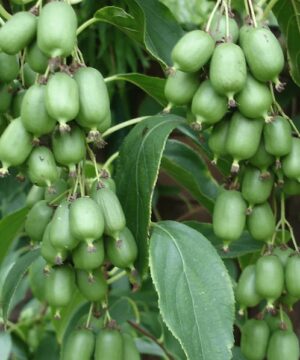
Actinidia arguta 'Issaï' (self-fertile) (female)
Issaï Hardy Kiwi Vine, Issaï Kiwi Plant, Issaï Self-pollinating Kiwi $19.99 - $54.99 Read more This product has multiple variants. The options may be chosen on the product page -
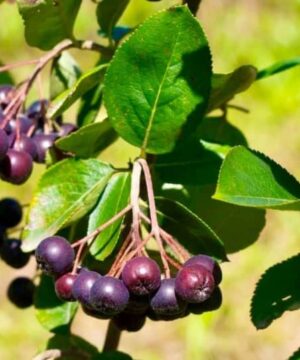
Aronia melanocarpa 'McKenzie'
McKenzie Black Chokeberry, Aronia Berry Out of stock Read more This product has multiple variants. The options may be chosen on the product page -
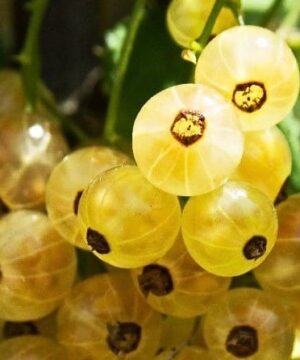
Ribes rubrum 'White Pearl' (late-season)
White Pearl White Currant$15.99$13.99 Read more This product has multiple variants. The options may be chosen on the product page -
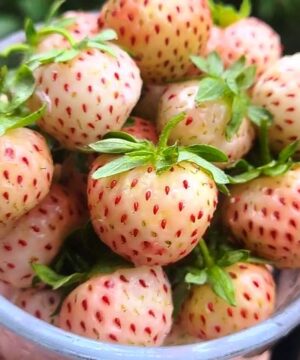
Fragaria x 'Albino'
Albino Strawberry (Pineberry)$13.99 - $35.99$10.99 - $29.99 Read more This product has multiple variants. The options may be chosen on the product page


