




Rubus idaeus 'Heritage' (everbearing)
Heritage Raspberry plant, Everbearing Raspberry
$17.99 $14.39
- Main interest:
- firm, sweet red fruit, everbearing variety, very popular
- Exposure:
- full sun to partial shade
- Soil humidity:
- moist soil; well drained
- Flower colour:
- white
- Fragrance:
- Non-fragrant
- Flowering period:
- May to June, July to September
- Foliage:
- green
- USDA Hardiness:
- zone 4a: -34.5 °C (-30 °F) View Zone Map
- Mature height & width:
- height: 5 ft (1.5 m) width: 2 ft (0.6 m)
- Use:
- fruit production, edible garden, fence, container
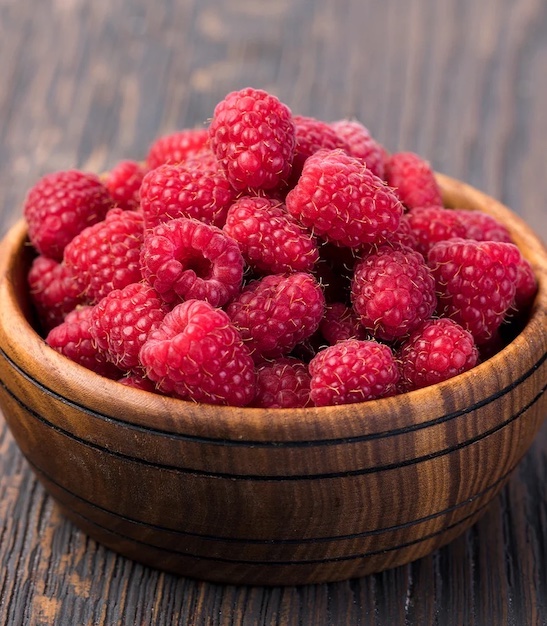
Heritage Raspberry plant (Rubus idaeus ‘Heritage’) is a red, everbearing raspberry prized for its high-quality fruit and extended harvest season, making it one of the most widely grown raspberry varieties worldwide. Developed by Cornell University in 1969, it is a favourite among gardeners for its large, firm, sweet, deep red berries. The fruit is excellent for fresh eating, freezing, and making jams and jellies.
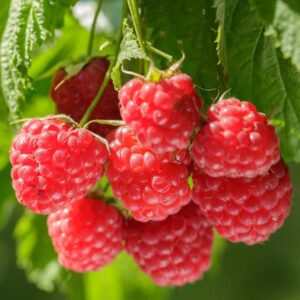
The abundant crops produced by the Heritage raspberry bush are due to its everbearing habit, yielding two harvests each season. The first, a moderate crop, appears in June - July on the previous year’s canes (floricanes). The second, much heavier crop is produced from August until frost on the current season’s new canes, known as primocanes. For this reason, Heritage Everbearing Raspberry is often referred to as a primocane or fall-bearing raspberry.
Self-fertile clusters of small, white, rose-like flowers bloom beginning in May, attracting butterflies and other pollinators. The foliage is medium green, with leaves typically divided into three to five leaflets. Heritage Raspberry plant forms an upright, thorny shrub that does not require staking or support. At maturity, canes reach approximately 1.5 m (5 ft) in height and will take up an area of 0.6 m (2 ft) in width and will spread. A low maintenance raspberry, plants begin bearing their first year after planting.
The ornamental clusters of berries are attractive to both birds and mammals, adding wildlife interest to the garden. Hardy to Zone 4a (-34.5 °C), Heritage Raspberry bush produces new canes each year, ensuring reliable harvests season after season.
Pruning:
Canes may be cut back to the ground annually and will still produce an excellent fall crop. To take full advantage of its everbearing nature and enjoy an additional early summer harvest, leave some canes intact; these will become second-year floricanes and bear fruit the following season. Repeat this process annually.
Freezing:
To freeze raspberries, spread them in a single layer on a baking sheet and freeze individually before transferring them to containers or freezer bags. This prevents the berries from sticking together.
- Main interest:
- firm, sweet red fruit, everbearing variety, very popular
- Exposure:
- full sun to partial shade
- Soil humidity:
- moist soil; well drained
- Flower colour:
- white
- Fragrance:
- Non-fragrant
- Flowering period:
- May to June, July to September
- Foliage:
- green
- USDA Hardiness:
- zone 4a: -34.5 °C (-30 °F) View Zone Map
- Mature height & width:
- height: 5 ft (1.5 m) width: 2 ft (0.6 m)
- Use:
- fruit production, edible garden, fence, container
Heritage Raspberry plant (Rubus idaeus ‘Heritage’) is a red, everbearing raspberry prized for its high-quality fruit and extended harvest season, making it one of the most widely grown raspberry varieties worldwide. Developed by Cornell University in 1969, it is a favourite among gardeners for its large, firm, sweet, deep red berries. The fruit is excellent for fresh eating, freezing, and making jams and jellies.
The abundant crops produced by the Heritage raspberry bush are due to its everbearing habit, yielding two harvests each season. The first, a moderate crop, appears in June - July on the previous year’s canes (floricanes). The second, much heavier crop is produced from August until frost on the current season’s new canes, known as primocanes. For this reason, Heritage Everbearing Raspberry is often referred to as a primocane or fall-bearing raspberry.
Self-fertile clusters of small, white, rose-like flowers bloom beginning in May, attracting butterflies and other pollinators. The foliage is medium green, with leaves typically divided into three to five leaflets. Heritage Raspberry plant forms an upright, thorny shrub that does not require staking or support. At maturity, canes reach approximately 1.5 m (5 ft) in height and will take up an area of 0.6 m (2 ft) in width and will spread. A low maintenance raspberry, plants begin bearing their first year after planting.
The ornamental clusters of berries are attractive to both birds and mammals, adding wildlife interest to the garden. Hardy to Zone 4a (-34.5 °C), Heritage Raspberry bush produces new canes each year, ensuring reliable harvests season after season.
Pruning:
Canes may be cut back to the ground annually and will still produce an excellent fall crop. To take full advantage of its everbearing nature and enjoy an additional early summer harvest, leave some canes intact; these will become second-year floricanes and bear fruit the following season. Repeat this process annually.
Freezing:
To freeze raspberries, spread them in a single layer on a baking sheet and freeze individually before transferring them to containers or freezer bags. This prevents the berries from sticking together.
Also known as: Heritage Raspberry Bush, Primocane Raspberry, Heritage Red Raspberry, Heritage Everbearing Raspberry, Everbearing Red Raspberry, Fall-fruiting Raspberry, Fall-bearing Raspberry
Related products
-

Ribes uva-crispa 'Pixwell'
Pixwell Gooseberry, European Gooseberry Out of stock Read more -
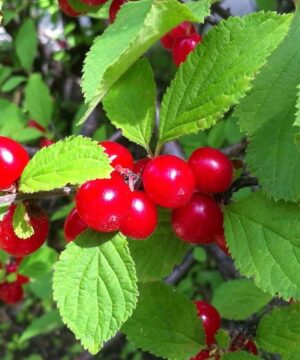
Prunus tomentosa
Nanking Cherry Bush, Manchu Cherry, Downy Cherry$19.99$15.99 Read more This product has multiple variants. The options may be chosen on the product page -
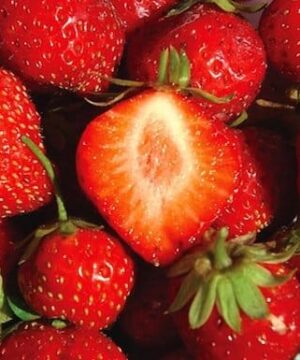
Fragaria x 'Mara des bois' (everbearing)
Everbearing Strawberry, Mara des Bois Strawberry$7.99$6.39 Read more This product has multiple variants. The options may be chosen on the product page -
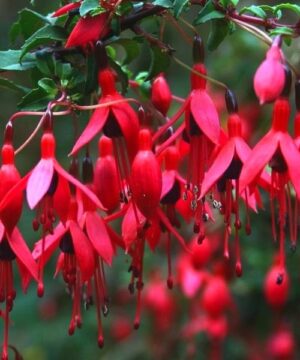
Fuchsia magellanica 'Riccartonii'
Chilean Hardy Fuchsia Out of stock Read more


