




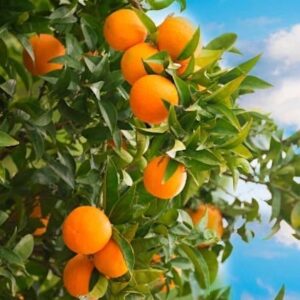
Citrus sinensis 'Cara Cara'
Cara Cara Navel OrangeTree, Red Navel Orange
- Main interest:
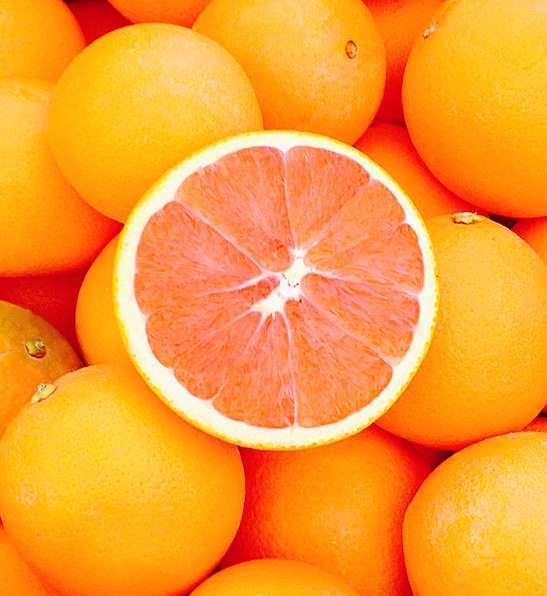
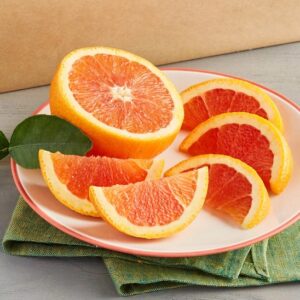
- sweet fruit with reddish-pink flesh
- Exposure:
- full sun
- Soil humidity:
- moist soil; well drained
- Flower colour:
- white
- Fragrance:
- Fragrant
- Flowering period:
- March to April
- Foliage:
- glossy green, sometimes variegated
- USDA Hardiness:
- zone 9a: -6.5 °C (20 °F) View Zone Map
- Mature height & width:
- height: 6 ft (1.8 m) width: 5 ft (1.5 m)
- Use:
- container
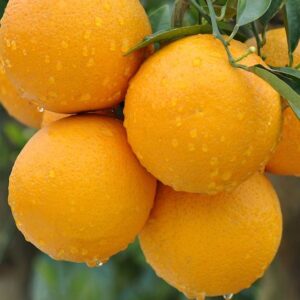
Cara Cara Navel Orange Tree (Citrus sinensis ‘Cara Cara’) is prized for producing exceptionally sweet flavour and distinctive reddish-pink flesh oranges, similar in colour to red grapefruit. The large fruit, typically 5–13 cm in diameter, is comparable in size to the Washington Navel. Naturally seedless, and easy to peel, Cara Cara Red Navel oranges are ideal for eating fresh, juicing, sauces, and cocktails. Fruit is usually ready to harvest in late fall through winter; pick when firm, heavy, glossy, and emitting a sweet citrus aroma.
The flowers are creamy white, borne in clusters, and - like many citrus - are richly fragrant. Cara Cara Navel Orange tree is self fertile, but you can help it set fruit by taking a small brush and moving pollen from flower to flower. The glossy, evergreen foliage reaches up to 10 cm in length and releases a pleasant citrus scent when crushed. As with other Navel oranges, plants may develop slender spines, particularly on new growth. Occasionally, Cara Cara Navel Orange tree produces variegated twigs; when left to grow, these branches can yield fruit with attractively striped rinds.
Grown on hardy, dwarfing Flying Dragon rootstock, the plant is kept under 1.8 m (6 ft) tall, making it well suited to container growing. Grow Cara Cara Red Navel Orange tree in moist, well-drained soil and choose a full-sun location where it can thrive and be admired as a specimen. Containers must be brought indoors before the first frost and overwintered in a bright, sunny location.
A natural mutation of the Navel Orange, Cara Cara was originally discovered in an orange grove in Venezuela. Interestingly, the Navel Orange takes its name from the blossom end of the fruit, which resembles a human navel. When peeled, this end reveals an undeveloped second fruit inside.
- Main interest:
- sweet fruit with reddish-pink flesh
- Exposure:
- full sun
- Soil humidity:
- moist soil; well drained
- Flower colour:
- white
- Fragrance:
- Fragrant
- Flowering period:
- March to April
- Foliage:
- glossy green, sometimes variegated
- USDA Hardiness:
- zone 9a: -6.5 °C (20 °F) View Zone Map
- Mature height & width:
- height: 6 ft (1.8 m) width: 5 ft (1.5 m)
- Use:
- container
Cara Cara Navel Orange Tree (Citrus sinensis ‘Cara Cara’) is prized for producing exceptionally sweet flavour and distinctive reddish-pink flesh oranges, similar in colour to red grapefruit. The large fruit, typically 5–13 cm in diameter, is comparable in size to the Washington Navel. Naturally seedless, and easy to peel, Cara Cara Red Navel oranges are ideal for eating fresh, juicing, sauces, and cocktails. Fruit is usually ready to harvest in late fall through winter; pick when firm, heavy, glossy, and emitting a sweet citrus aroma.
The flowers are creamy white, borne in clusters, and - like many citrus - are richly fragrant. Cara Cara Navel Orange tree is self fertile, but you can help it set fruit by taking a small brush and moving pollen from flower to flower. The glossy, evergreen foliage reaches up to 10 cm in length and releases a pleasant citrus scent when crushed. As with other Navel oranges, plants may develop slender spines, particularly on new growth. Occasionally, Cara Cara Navel Orange tree produces variegated twigs; when left to grow, these branches can yield fruit with attractively striped rinds.
Grown on hardy, dwarfing Flying Dragon rootstock, the plant is kept under 1.8 m (6 ft) tall, making it well suited to container growing. Grow Cara Cara Red Navel Orange tree in moist, well-drained soil and choose a full-sun location where it can thrive and be admired as a specimen. Containers must be brought indoors before the first frost and overwintered in a bright, sunny location.
A natural mutation of the Navel Orange, Cara Cara was originally discovered in an orange grove in Venezuela. Interestingly, the Navel Orange takes its name from the blossom end of the fruit, which resembles a human navel. When peeled, this end reveals an undeveloped second fruit inside.
Also known as: Red Navel Orange Tree, Cara Cara Red Navel Orange, Red-fleshed Navel Orange
Related products
-
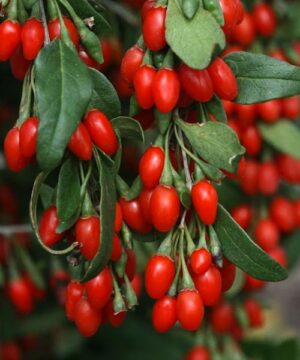
Lycium barbarum 'Firecracker'
Firecracker Goji Berry, Chinese wolfberry, Matrimony vine $16.99 - $45.99 Read more This product has multiple variants. The options may be chosen on the product page -
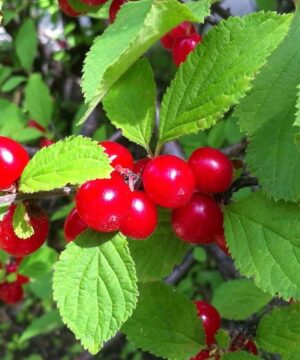
Prunus tomentosa
Nanking Cherry Bush, Manchu Cherry, Downy Cherry $17.99 Read more This product has multiple variants. The options may be chosen on the product page -
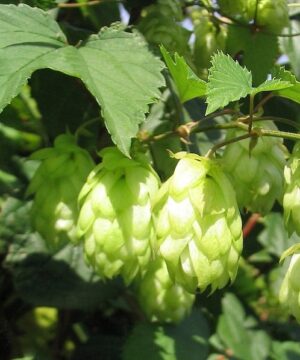
Humulus lupulus 'Nugget'
Nugget Hops Out of stock Read more -
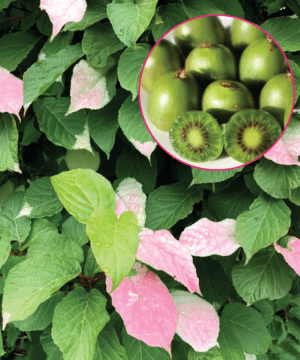
Actinidia kolomikta 'September Sun' (female)
September Sun Arctic Kiwi, Female Arctic Kiwi, Female Kolomikta Vine, Variegated Kiwi Vine $17.99 - $48.99 Read more This product has multiple variants. The options may be chosen on the product page


