




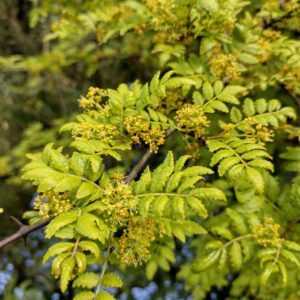

Zanthoxylum piperitum (Seedling)
Sansho Pepper, Japanese Pepper, Sansho Japanese Pepper
- Main interest:
- aromatic bark, leaves and fruit, young leaves used as a garnish, fruit husks used for spice, distinctive shrub
- Exposure:
- full sun
- Soil humidity:
- moist soil; well drained
- Flower colour:
- chartreuse
- Fragrance:
- Fragrant
- Flowering period:
- June
- Foliage:
- green turning yellow in autumn
- USDA Hardiness:
- zone 6a: -23.5 °C (-10 °F) View Zone Map
- Mature height & width:
- height: 10 ft (3 m) width: 10 ft (3 m)
- Use:
- edible garden, screen, mass planting, specimen
Sansho Pepper (Zanthoxylum piperitum) is a distinctive deciduous shrub or small tree prized for its fruit and leaves - both valued flavourings in traditional Asian cuisine. The leaves, bark, and fruit release an unmistakable peppery-citrus aroma that sets it apart in both the garden and the kitchen.
Naturally thorny and multi-stemmed, Sansho Japanese Pepper forms an upright shrub reaching up to 3 m (10 ft) in height and spread, and can be trained into a small tree. Its attractive, fern-like compound leaves grow up to 15 cm (6 in) long, and are composed of numerous 2-4 cm crinkled, pointed leaflets. In spring, new growth emerges goldish, quickly maturing to glossy, deep green for summer before turning warm yellow in autumn. The tender young leaves - known as kinome - are especially prized as a fragrant garnish, adding a bright citrus-spice note to dishes.
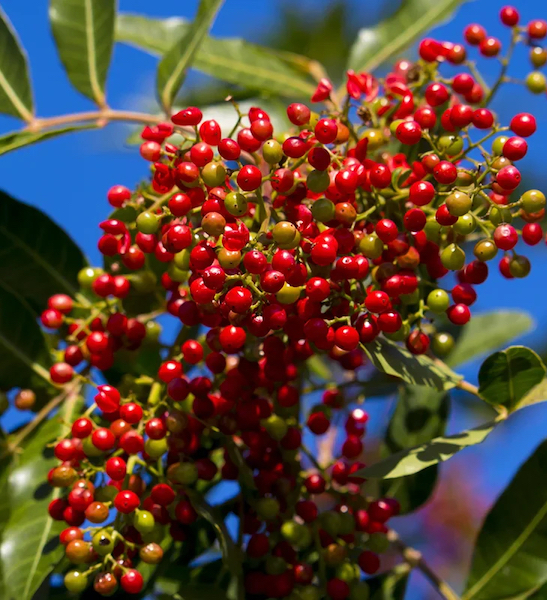
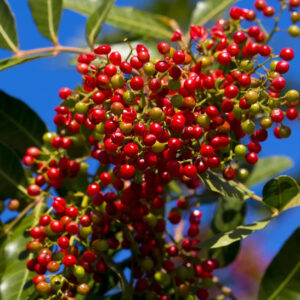
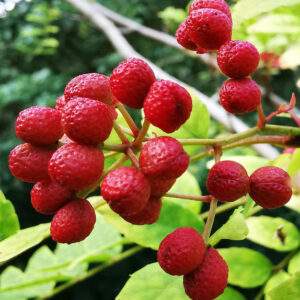
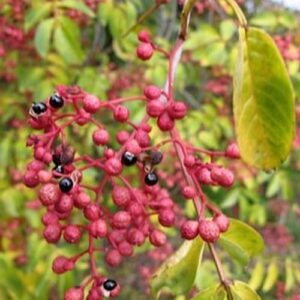
In summer, clusters of chartreuse flowers (about 5 cm / 2 in wide) appear, followed by small, ornamental red berry-like fruits. These will begin to dry on the plant; harvest the red fruit capsules after they split open and have shed their black seed. Grind the red husks in a pepper mill, and they will deliver a zesty tang with a signature tongue-tingling finish on any dish you wish to spice up! A little goes a long way and gloves are recommended when handling.
Historically valued for its medicinal properties, Sansho pepper was traditionally used to ease toothache, colic, and rheumatism.
Thriving in full sun and moist, well-drained soil, Japanese Pepper tree makes a handsome specimen plant and is equally effective in mass plantings or as a screening hedge. The thorny branches make it a good choice for a barrier hedge. Hardy to zone 6a (-23.5°), Zanthoxylum piperitum is a vigorous, easy to grow shrub. It is highly tolerant of urban pollution, and can be expected to live for 40+ years.
For adventurous gardeners and culinary enthusiasts alike, Sansho Japanese Pepper offers the rare and rewarding opportunity to harvest your very own fresh, homegrown spice.
Note: Japanese Pepper is dioecious, meaning male and female flowers grow on separate plants. We are selling seedlings, so we don't know which plants are males or females.
- Main interest:
- aromatic bark, leaves and fruit, young leaves used as a garnish, fruit husks used for spice, distinctive shrub
- Exposure:
- full sun
- Soil humidity:
- moist soil; well drained
- Flower colour:
- chartreuse
- Fragrance:
- Fragrant
- Flowering period:
- June
- Foliage:
- green turning yellow in autumn
- USDA Hardiness:
- zone 6a: -23.5 °C (-10 °F) View Zone Map
- Mature height & width:
- height: 10 ft (3 m) width: 10 ft (3 m)
- Use:
- edible garden, screen, mass planting, specimen
Sansho Pepper (Zanthoxylum piperitum) is a distinctive deciduous shrub or small tree prized for its fruit and leaves - both valued flavourings in traditional Asian cuisine. The leaves, bark, and fruit release an unmistakable peppery-citrus aroma that sets it apart in both the garden and the kitchen.
Naturally thorny and multi-stemmed, Sansho Japanese Pepper forms an upright shrub reaching up to 3 m (10 ft) in height and spread, and can be trained into a small tree. Its attractive, fern-like compound leaves grow up to 15 cm (6 in) long, and are composed of numerous 2-4 cm crinkled, pointed leaflets. In spring, new growth emerges goldish, quickly maturing to glossy, deep green for summer before turning warm yellow in autumn. The tender young leaves - known as kinome - are especially prized as a fragrant garnish, adding a bright citrus-spice note to dishes.
In summer, clusters of chartreuse flowers (about 5 cm / 2 in wide) appear, followed by small, ornamental red berry-like fruits. These will begin to dry on the plant; harvest the red fruit capsules after they split open and have shed their black seed. Grind the red husks in a pepper mill, and they will deliver a zesty tang with a signature tongue-tingling finish on any dish you wish to spice up! A little goes a long way and gloves are recommended when handling.
Historically valued for its medicinal properties, Sansho pepper was traditionally used to ease toothache, colic, and rheumatism.
Thriving in full sun and moist, well-drained soil, Japanese Pepper tree makes a handsome specimen plant and is equally effective in mass plantings or as a screening hedge. The thorny branches make it a good choice for a barrier hedge. Hardy to zone 6a (-23.5°), Zanthoxylum piperitum is a vigorous, easy to grow shrub. It is highly tolerant of urban pollution, and can be expected to live for 40+ years.
For adventurous gardeners and culinary enthusiasts alike, Sansho Japanese Pepper offers the rare and rewarding opportunity to harvest your very own fresh, homegrown spice.
Note: Japanese Pepper is dioecious, meaning male and female flowers grow on separate plants. We are selling seedlings, so we don't know which plants are males or females.
Synonym(s): Fagara piperita
Also known as: Sansho Pepper Tree, Japanese Pepper Tree, Japanese Peppercorn, Japanese Prickly-ash
Related products
-
Lycium ruthenicum
Black Goji Berry, Russian Box Thorn, Black Fruit Wolfberry $15.99 - $42.99 Read more This product has multiple variants. The options may be chosen on the product page -
Lycium barbarum 'Firecracker'
Firecracker Goji Berry, Chinese wolfberry, Matrimony vine $16.99 - $45.99 Read more This product has multiple variants. The options may be chosen on the product page -
Aronia melanocarpa 'McKenzie'
McKenzie Black Chokeberry, Aronia Berry Out of stock Read more This product has multiple variants. The options may be chosen on the product page -

Aronia melanocarpa 'Viking'
Viking Black Chokeberry, Aronia Berry Out of stock Read more


