



Diospyros virginiana 'Early Golden'
Early Golden Persimmon, Hardy Persimmon, Early Golden American Persimmon
$76.99 $61.59
- Main interest:
- early-ripening variety, large and sweet tasty fruit, colourful fall foliage
- Exposure:
- full sun
- Soil humidity:
- dry to moist soil; well drained
- Flower colour:
- pale yellow
- Fragrance:
- Fragrant
- Flowering period:
- June
- Foliage:
- green turning yellow and red in the fall
- USDA Hardiness:
- zone 4b: -31.5 °C (-25 °F) View Zone Map
- Mature height & width:
- height: 60 ft (18 m) width: 30 ft (9 m)
- Use:
- fruit production, orchard, specimen
A classic persimmon first described in the 1880s, Early Golden Persimmon (Diospyros virginiana ‘Early Golden’) is still considered one of the best American persimmon varieties, prized for its very sweet, flavourful fruit. This hardy persimmon ripens earlier than many other varieties, with harvest beginning in late September.
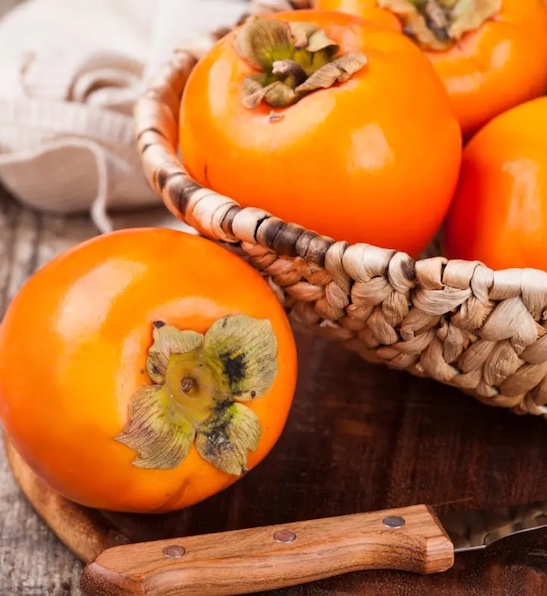
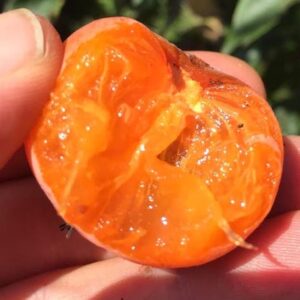
The fruit of Early Golden Persimmon is nearly 4 cm (1.5 in) in diameter and is a beautiful deep orange colour. Prized for its heavy yields, it commonly produces 13 kg or more per tree. Early Golden American Persimmon is an astringent variety; the fruit must fully soften before eating. Once ripe, it becomes very sweet and complex - a rich, date-like flavour. Highly regarded for eating fresh off the tree, it is also excellent for drying, syrups, puddings, baking, preserves, and traditional persimmon pie. When fully mature, persimmons are highly nutritious, offering high levels of antioxidants, dietary fibre, and vitamin A.
American persimmon is native from Connecticut to Kansas, and south to Florida and Texas. While the fruit is smaller than that of Asian persimmons, American persimmons are significantly more cold hardy. The Early Golden variety is hardy to Zone 4b (-31.5 °).
Diospyros virginiana is a deciduous tree with a rounded, oval crown and upright form that can grow up to 18 m (60 ft) tall. Often grown as an ornamental landscape tree with showy, edible fruit, Diospyros virginiana ‘Early Golden’ can be maintained as a small to medium-sized tree -under 4 m (12 ft) - with pruning. Persimmon is a member of the ebony family, and its extremely hard wood has historically been used to make golf club heads and billiard cues.
The 5–15 cm, ovate to elliptical leaves are glossy dark green and turn attractive shades of yellow and red before dropping in autumn. Small (1 cm), fragrant, pale yellow flowers bloom in June and attract pollinators. Early Golden American Persimmon is mildly self-fertile, but planting a male persimmon (Diospyros virginiana ‘Male’) nearby will greatly improve fruit size, yield and growing success.
Preferring full sun, Early Golden hardy persimmon grows best in moist, well-drained soil. Once established, it can handle drier conditions. No serious insect or disease problems are known. Trees typically begin fruiting within 2–3 years. If fruit does not fully ripen on the tree before frost, it can be further matured in cold storage; temperatures should remain above 4 °C to prevent deterioration of fruit texture. Birds, squirrels, and other wildlife will also be interested in the crop - try to harvest before they do!
Be patient - persimmons are among the last plants to break dormancy in spring. Watering while dormant will not accelerate growth and may even be detrimental. In cool springs, Eastern persimmon trees may take longer than expected to leaf out; they simply require more heat to awaken.
- Main interest:
- early-ripening variety, large and sweet tasty fruit, colourful fall foliage
- Exposure:
- full sun
- Soil humidity:
- dry to moist soil; well drained
- Flower colour:
- pale yellow
- Fragrance:
- Fragrant
- Flowering period:
- June
- Foliage:
- green turning yellow and red in the fall
- USDA Hardiness:
- zone 4b: -31.5 °C (-25 °F) View Zone Map
- Mature height & width:
- height: 60 ft (18 m) width: 30 ft (9 m)
- Use:
- fruit production, orchard, specimen
A classic persimmon first described in the 1880s, Early Golden Persimmon (Diospyros virginiana ‘Early Golden’) is still considered one of the best American persimmon varieties, prized for its very sweet, flavourful fruit. This hardy persimmon ripens earlier than many other varieties, with harvest beginning in late September.
The fruit of Early Golden Persimmon is nearly 4 cm (1.5 in) in diameter and is a beautiful deep orange colour. Prized for its heavy yields, it commonly produces 13 kg or more per tree. Early Golden American Persimmon is an astringent variety; the fruit must fully soften before eating. Once ripe, it becomes very sweet and complex - a rich, date-like flavour. Highly regarded for eating fresh off the tree, it is also excellent for drying, syrups, puddings, baking, preserves, and traditional persimmon pie. When fully mature, persimmons are highly nutritious, offering high levels of antioxidants, dietary fibre, and vitamin A.
American persimmon is native from Connecticut to Kansas, and south to Florida and Texas. While the fruit is smaller than that of Asian persimmons, American persimmons are significantly more cold hardy. The Early Golden variety is hardy to Zone 4b (-31.5 °).
Diospyros virginiana is a deciduous tree with a rounded, oval crown and upright form that can grow up to 18 m (60 ft) tall. Often grown as an ornamental landscape tree with showy, edible fruit, Diospyros virginiana ‘Early Golden’ can be maintained as a small to medium-sized tree -under 4 m (12 ft) - with pruning. Persimmon is a member of the ebony family, and its extremely hard wood has historically been used to make golf club heads and billiard cues.
The 5–15 cm, ovate to elliptical leaves are glossy dark green and turn attractive shades of yellow and red before dropping in autumn. Small (1 cm), fragrant, pale yellow flowers bloom in June and attract pollinators. Early Golden American Persimmon is mildly self-fertile, but planting a male persimmon (Diospyros virginiana ‘Male’) nearby will greatly improve fruit size, yield and growing success.
Preferring full sun, Early Golden hardy persimmon grows best in moist, well-drained soil. Once established, it can handle drier conditions. No serious insect or disease problems are known. Trees typically begin fruiting within 2–3 years. If fruit does not fully ripen on the tree before frost, it can be further matured in cold storage; temperatures should remain above 4 °C to prevent deterioration of fruit texture. Birds, squirrels, and other wildlife will also be interested in the crop - try to harvest before they do!
Be patient - persimmons are among the last plants to break dormancy in spring. Watering while dormant will not accelerate growth and may even be detrimental. In cool springs, Eastern persimmon trees may take longer than expected to leaf out; they simply require more heat to awaken.
Also known as: Early Golden Common Persimmon Tree, Early Golden Eastern Persimmon Plant, Early-ripening Persimmon, Hardy Persimmon Tree, Astringent persimmon
Related products
-
Ribes rubrum 'Pink Champagne' (mid-season)
Pink Champagne Pink Currant$18.99$15.19 Read more This product has multiple variants. The options may be chosen on the product page -
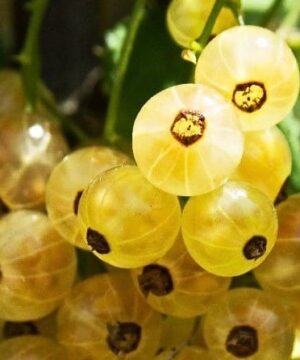
Ribes rubrum 'White Pearl' (late-season)
White Pearl White Currant$17.99$14.39 Read more This product has multiple variants. The options may be chosen on the product page -
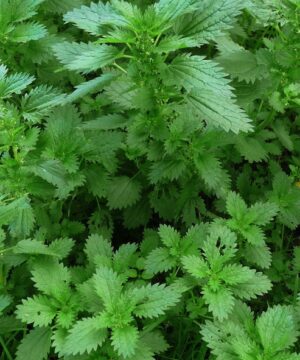
Urtica dioica
Stinging Nettle, Common Nettle Out of stock Read more -

Aronia melanocarpa 'Viking'
Viking Black Chokeberry, Aronia Berry$17.99$14.39 Read more This product has multiple variants. The options may be chosen on the product page


