



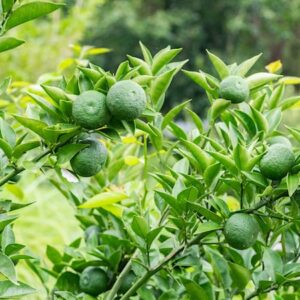
Citrus sudachi (Sudachi Ichandrin)
Sudachi Ichandrin, Sudachi Yuzu, Sudachi Tree, Sudachi Citrus, Japanese Citrus Tree, Sudachi Hardy Citrus Tree, Sudachi Hybrid Yuzu
- Main interest:
- edible orange citrus fruit, culinary fruit, juice and rind used to flavour dishes, self-fertile, attractive foliage
- Exposure:
- full sun
- Soil humidity:
- dry to moist soil; well-drained
- Flower colour:
- white
- Fragrance:
- Fragrant
- Flowering period:
- May to June
- Foliage:
- dark green
- USDA Hardiness:
- zone 7a: -18 °C (0 °F) View Zone Map
- Mature height & width:
- height: 6 ft (1.8 m) width: 5 ft (1.5 m)
- Use:
- specimen, container, hedge
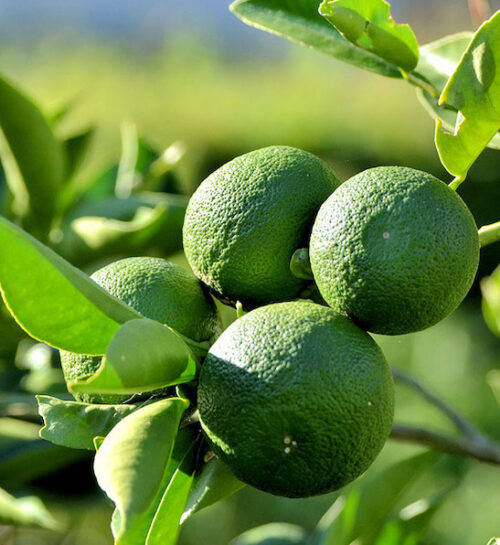
Citrus sudachi (Sudachi Citrus) is an hardy citrus tree that is well known in Japan for its edible fruit. The Sudachi Ichandrin flesh has a strong, sour-acidic flavour, similar to lemons but with a slightly spicy, peppery undertone. Citrus sudachi is a cross between mandarin orange and yuzu. The fruit measures about the size of a mandarin and weights 30 to 40 grams.
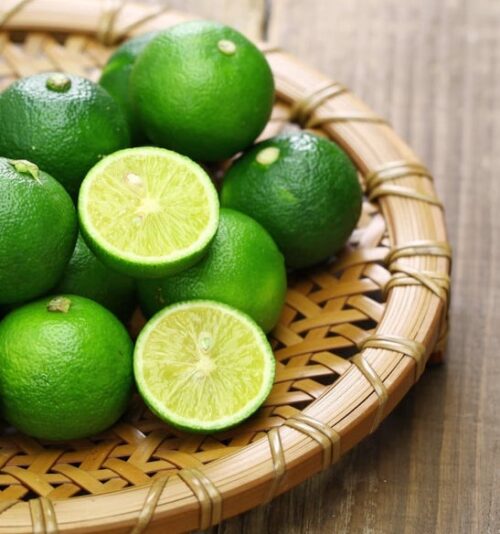
Even if the Sudachi Yuzu fruit is perfectly edible and not more sour than a lemon, like a lemon it is rarely consumed whole. The fruit is normally squeezed like a lemon or lime to flavour other foods. This Japanese Citrus Tree is used in juices, sauces, desserts, soups or served with fish dishes. A half-slice of this fruit is often served in Japan as garnish of many traditional Japanese dishes which include fish, soba, udon, nabe, and even some alcoholic beverages. Additionally, the easy-to-peel rind has a very strong lemon-lime fragrance, which can be shaved, and used to enhance flavours in candies, and teas. The rind is orange coloured when ripe, and looks similar to a tangerine. However, Sudachi Hybrid Yuzu is usually picked when its skin is still green in the early fall. The unripe green skin flavour is more pronounced. Higher in vitamin C than Lemons, Sudachi Yuzu fruit contains also high amount of fiber, vitamin A, vitamin E, calcium and other nutrients, including iron, magnesium, and phosphorus.
Its size is much smaller (6 feet tall) than Yuzu Hardy Cirtus Tree. Sudachi Citrus is self-fertile and can produce fruit without other citrus plants. The foliage is a pleasant dark green colour with a shiny, glossy surface. The attractive flowers are fragrant and creamy white coloured. The flowers appear in May-June followed by fruits in the fall (October-December).
Sudachi Tree grows well in a large container. If planted outdoors in the ground in zone 7 and 8, applying mulch around the base of the Sudachi Yuzu plant and cover the branches with a blanket, can help protect it from cold temperatures. In colder areas, zone 5 and 6, it is recommended to grow the Sudachi Ichandrin in a container and bring it indoors or in a warmer area during the winter months (October to April).
- Main interest:
- edible orange citrus fruit, culinary fruit, juice and rind used to flavour dishes, self-fertile, attractive foliage
- Exposure:
- full sun
- Soil humidity:
- dry to moist soil; well-drained
- Flower colour:
- white
- Fragrance:
- Fragrant
- Flowering period:
- May to June
- Foliage:
- dark green
- USDA Hardiness:
- zone 7a: -18 °C (0 °F) View Zone Map
- Mature height & width:
- height: 6 ft (1.8 m) width: 5 ft (1.5 m)
- Use:
- specimen, container, hedge
Citrus sudachi (Sudachi Citrus) is an hardy citrus tree that is well known in Japan for its edible fruit. The Sudachi Ichandrin flesh has a strong, sour-acidic flavour, similar to lemons but with a slightly spicy, peppery undertone. Citrus sudachi is a cross between mandarin orange and yuzu. The fruit measures about the size of a mandarin and weights 30 to 40 grams.
Even if the Sudachi Yuzu fruit is perfectly edible and not more sour than a lemon, like a lemon it is rarely consumed whole. The fruit is normally squeezed like a lemon or lime to flavour other foods. This Japanese Citrus Tree is used in juices, sauces, desserts, soups or served with fish dishes. A half-slice of this fruit is often served in Japan as garnish of many traditional Japanese dishes which include fish, soba, udon, nabe, and even some alcoholic beverages. Additionally, the easy-to-peel rind has a very strong lemon-lime fragrance, which can be shaved, and used to enhance flavours in candies, and teas. The rind is orange coloured when ripe, and looks similar to a tangerine. However, Sudachi Hybrid Yuzu is usually picked when its skin is still green in the early fall. The unripe green skin flavour is more pronounced. Higher in vitamin C than Lemons, Sudachi Yuzu fruit contains also high amount of fiber, vitamin A, vitamin E, calcium and other nutrients, including iron, magnesium, and phosphorus.
Its size is much smaller (6 feet tall) than Yuzu Hardy Cirtus Tree. Sudachi Citrus is self-fertile and can produce fruit without other citrus plants. The foliage is a pleasant dark green colour with a shiny, glossy surface. The attractive flowers are fragrant and creamy white coloured. The flowers appear in May-June followed by fruits in the fall (October-December).
Sudachi Tree grows well in a large container. If planted outdoors in the ground in zone 7 and 8, applying mulch around the base of the Sudachi Yuzu plant and cover the branches with a blanket, can help protect it from cold temperatures. In colder areas, zone 5 and 6, it is recommended to grow the Sudachi Ichandrin in a container and bring it indoors or in a warmer area during the winter months (October to April).
Synonym(s): Citrus x sudachi, Citrus ichangensis x reticulata var. austera
Also known as: Sudachi Citrus, Yuzu Sudachi, Sudachi Lime Tree, Sudachi Japanese Citrus Tree, Sudachi Japanese Lemon, Sudachi Ichandrin Tree, Sudachi Ichandrin Hardy Citrus Tree, Orange Hardy Citrus Tree, Hardy Lemon Tree, Japanese Citrus Fruit Orange, Papeda Citrus, Ichang papeda × mandarin, Papeda Hybrid, Cold Hardy Citrus Tree, Cold Hardy Citrus Zone 7, Cold Hardy Lemon Tree, Japanese Lemon Tree
Related products
-
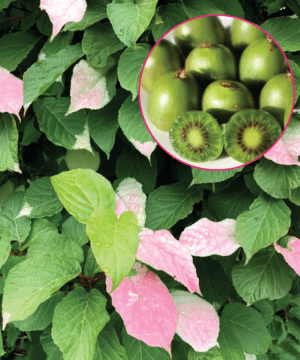
Actinidia kolomikta 'September Sun' (female)
September Sun Arctic Kiwi, Female Arctic Kiwi, Female Kolomikta Vine, Variegated Kiwi Vine $17.99 - $48.99 Read more This product has multiple variants. The options may be chosen on the product page -
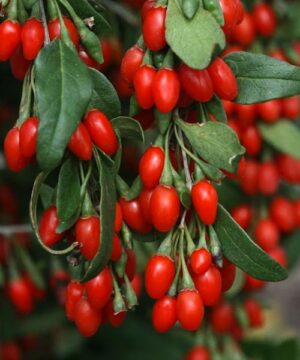
Lycium barbarum 'Firecracker'
Firecracker Goji Berry, Chinese wolfberry, Matrimony vine $16.99 - $45.99 Read more This product has multiple variants. The options may be chosen on the product page -
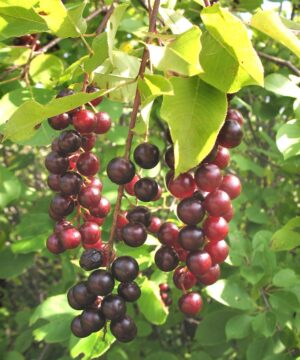
Prunus virginiana var. virginiana
Red Chokecherry, Virginia Chokecherry $14.99 - $39.99 Read more This product has multiple variants. The options may be chosen on the product page -
Ribes rubrum 'White Pearl' (late-season)
White Pearl White Currant$15.99$13.99 Read more This product has multiple variants. The options may be chosen on the product page


