




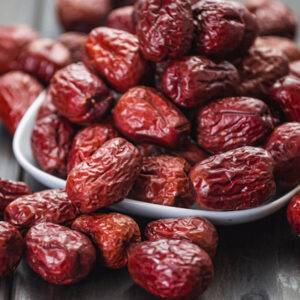
Ziziphus jujuba Empress Gee™
Chinese Jujube, Empress Gee Jujube, Empress Gee Red Date Plant
$87.99 $70.39
- Main interest:
- exceptionally large dark brown fruit, early ripening variety, compact habit
- Exposure:
- full sun
- Soil humidity:
- moist soil; well drained
- Flower colour:
- greenish-yellow
- Fragrance:
- Mildly fragrant
- Flowering period:
- June to July
- Foliage:
- green
- USDA Hardiness:
- zone 5a: -29 °C (-20 °F) View Zone Map
- Mature height & width:
- height: 15 ft (4.5 m) width: 12 ft (3.7 m)
- Use:
- fruit production, orchard, specimen, planter
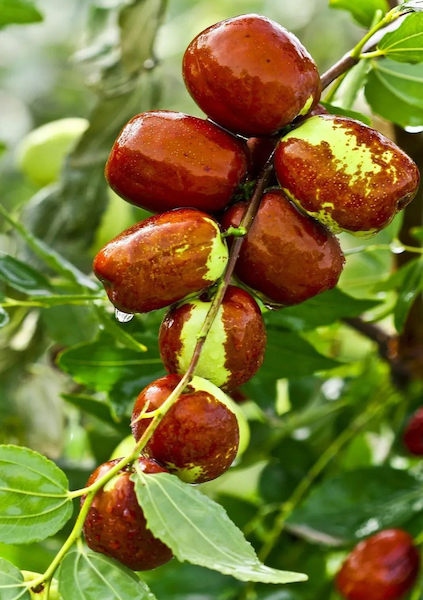
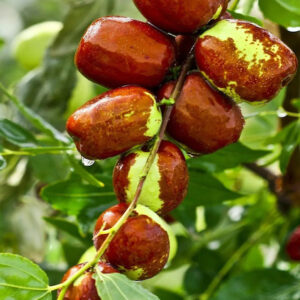
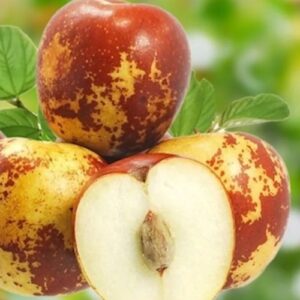
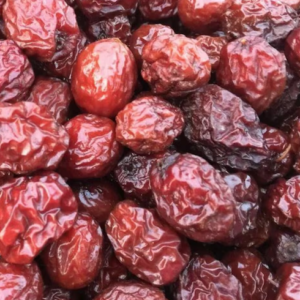
Ziziphus jujuba Empress Gee™ is an outstanding early-ripening Chinese jujube from Korea, celebrated for its sweet, generously sized fruit. Empress Gee jujube tree produces large, apricot-sized fruits that deepen to a glossy, rich dark brown as they mature. When fully ripe, the fruit is crisp and refreshing, with a sweet, apple-like flavor and texture. As it begins to wrinkle and dry, it transforms into an even sweeter treat with a dense, date-like richness. While jujubes may resemble dates in appearance and flavor, they are not related to the date palm - yet their common name, ‘Chinese Date' or 'Red Date', is perfectly fitting!
Highly nutritious, jujube fruits are rich in vitamin C, antioxidants, and essential minerals, and have been valued in traditional Asian medicine for centuries. Empress Gee Chinese jujubes are remarkably versatile in the kitchen - delicious eaten fresh, sliced into salads, or dried and used like dates or raisins in baking. Traditionally, jujubes have also been juiced, candied, cooked, smoked, or made into syrups, wines, and preserves.
Empress Gee red date plant is an attractive, naturally compact tree with thorns, and is well suited to smaller gardens or large containers. Its green foliage turns yellow in autumn and has a graceful, slightly weeping habit. The small greenish-yellow flowers are not showy, but they bloom over an extended period and provide an excellent nectar source for pollinators. While Empress Gee red date plant is self-fertile, planting another variety - such as Ziziphus jujuba ‘Coco’ - nearby can significantly increase fruit set and yield. The tree’s distinctive branching pattern and gray bark add visual interest to the winter landscape after leaf drop.
This Chinese jujube tree tree prefers a sunny location and moist, well-drained soil. Once established, it is drought tolerant, hardy, and easy to grow. Cold-hardy to Zone 5a (-29 °C), its early ripening makes it an excellent choice for regions with shorter growing seasons.
Fruit is typically produced by the second year, with substantial harvests developing by the fourth or fifth season. Generally free from serious pests and diseases, jujube trees are long-lived and can remain productive for decades.
Empress Gee jujube is a beautiful, resilient fruit tree that combines ornamental appeal with a dependable harvest of nutritious fruit.
- Main interest:
- exceptionally large dark brown fruit, early ripening variety, compact habit
- Exposure:
- full sun
- Soil humidity:
- moist soil; well drained
- Flower colour:
- greenish-yellow
- Fragrance:
- Mildly fragrant
- Flowering period:
- June to July
- Foliage:
- green
- USDA Hardiness:
- zone 5a: -29 °C (-20 °F) View Zone Map
- Mature height & width:
- height: 15 ft (4.5 m) width: 12 ft (3.7 m)
- Use:
- fruit production, orchard, specimen, planter
Ziziphus jujuba Empress Gee™ is an outstanding early-ripening Chinese jujube from Korea, celebrated for its sweet, generously sized fruit. Empress Gee jujube tree produces large, apricot-sized fruits that deepen to a glossy, rich dark brown as they mature. When fully ripe, the fruit is crisp and refreshing, with a sweet, apple-like flavor and texture. As it begins to wrinkle and dry, it transforms into an even sweeter treat with a dense, date-like richness. While jujubes may resemble dates in appearance and flavor, they are not related to the date palm - yet their common name, ‘Chinese Date' or 'Red Date', is perfectly fitting!
Highly nutritious, jujube fruits are rich in vitamin C, antioxidants, and essential minerals, and have been valued in traditional Asian medicine for centuries. Empress Gee Chinese jujubes are remarkably versatile in the kitchen - delicious eaten fresh, sliced into salads, or dried and used like dates or raisins in baking. Traditionally, jujubes have also been juiced, candied, cooked, smoked, or made into syrups, wines, and preserves.
Empress Gee red date plant is an attractive, naturally compact tree with thorns, and is well suited to smaller gardens or large containers. Its green foliage turns yellow in autumn and has a graceful, slightly weeping habit. The small greenish-yellow flowers are not showy, but they bloom over an extended period and provide an excellent nectar source for pollinators. While Empress Gee red date plant is self-fertile, planting another variety - such as Ziziphus jujuba ‘Coco’ - nearby can significantly increase fruit set and yield. The tree’s distinctive branching pattern and gray bark add visual interest to the winter landscape after leaf drop.
This Chinese jujube tree tree prefers a sunny location and moist, well-drained soil. Once established, it is drought tolerant, hardy, and easy to grow. Cold-hardy to Zone 5a (-29 °C), its early ripening makes it an excellent choice for regions with shorter growing seasons.
Fruit is typically produced by the second year, with substantial harvests developing by the fourth or fifth season. Generally free from serious pests and diseases, jujube trees are long-lived and can remain productive for decades.
Empress Gee jujube is a beautiful, resilient fruit tree that combines ornamental appeal with a dependable harvest of nutritious fruit.
Synonym(s): Ziziphus jujuba 'Wang-dae-choo'
Also known as: Empress Gee Chinese Date, Common Jujube, Empress Gee Jujube Plant, Empress Gee Jujube Tree, Empress Gee Chinese Jujube Plant, Empress Gee Chinese Jujube Tree, Chinese Date tree, Red Date Plant, Large Jujube, Wang-dae-choo Jujube, Early-ripening Jujube
Related products
-
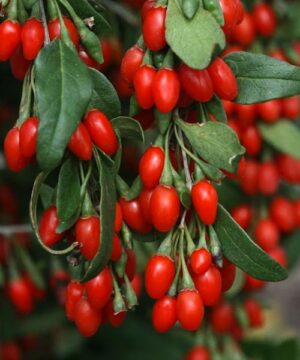
Lycium barbarum 'Dynamite'
Dynamite Goji Berry Plant$7.99 - $43.99$6.39 - $35.19 Read more This product has multiple variants. The options may be chosen on the product page -
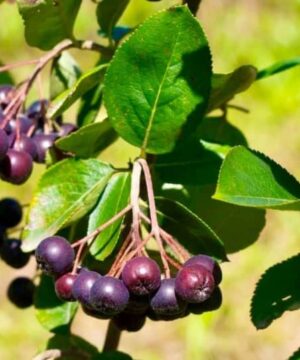
Aronia melanocarpa 'McKenzie'
McKenzie Black Chokeberry, Aronia Berry Out of stock Read more -
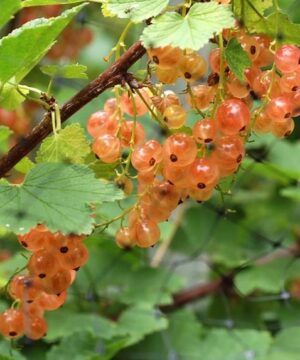
Ribes rubrum 'Pink Champagne' (mid-season)
Pink Champagne Pink Currant$18.99$15.19 Read more This product has multiple variants. The options may be chosen on the product page -
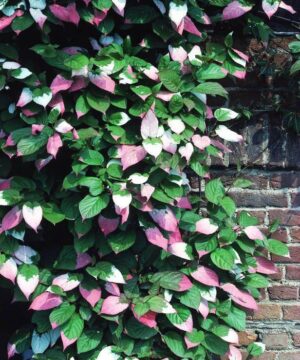
Actinidia kolomikta 'Pasha' (male)
Variegated-leaf Hardy Kiwi (male), Pascha Arctic Kiwi (male), Male Kolomikta Vine$19.99$15.99 Read more This product has multiple variants. The options may be chosen on the product page


