



Diospyros kaki Cardinal™ ('Jo Choo')
Cardinal Kaki Persimmon Tree, Non-astringent Persimmon, Cardinal Japanese Persimmon
- Main interest:
- very early ripening, abundant crops of large sweet fruit, non-astringent, self-fertile
- Exposure:
- full sun
- Soil humidity:
- moist soil; well drained
- Flower colour:
- white
- Fragrance:
- Mildly fragrant
- Flowering period:
- June
- Foliage:
- green turning orange in the fall
- USDA Hardiness:
- zone 7a: -18 °C (0 °F) View Zone Map
- Mature height & width:
- height: 20 ft (6 m) width: 10 ft (3 m)
- Use:
- fruit production, orchard, specimen, container
Asian persimmons are among the world’s most widely grown fruit trees. Cardinal Kaki Persimmon (Diospyros kaki Cardinal™) - our earliest-ripening variety - matures sooner than most, making it an ideal choice for cooler climates or regions with shorter growing seasons.
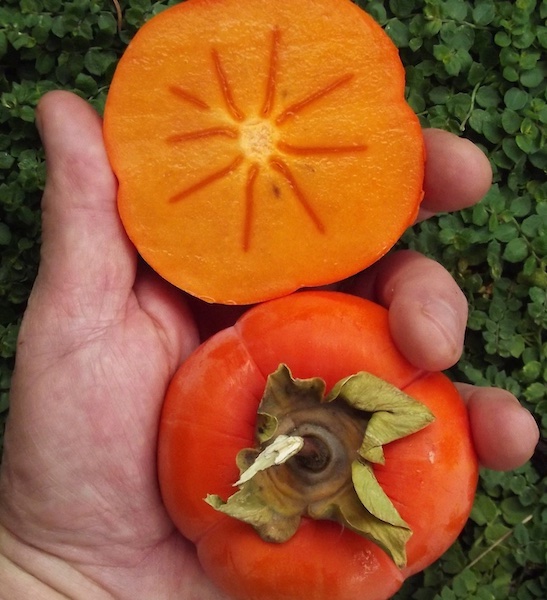
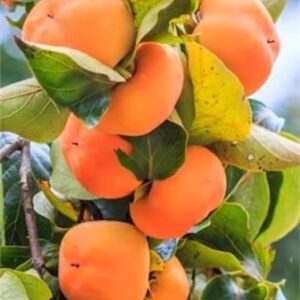
The fruit is bright orange with smooth, glossy skin, measuring 7.5 - 10 c m (3 - 4 inches) in diameter. Cardinal Kaki Persimmon tree produces rounded, seedless, non-astringent persimmon fruit that can be eaten while still crisp and firm, much like an apple, with the skin left on. This variety is prized for its large size, heavy crop, and exceptional sweetness, offering classic persimmon flavours - fruity notes and subtle spicy undertones. Firm and sweet, Cardinal Kaki is perfect for snacking, adding to salads, or turning into syrups, baked treats, and preserves.
Beyond its flavorful fruit, Kaki Persimmon trees are highly valued for their ornamental appeal and are considered among the most attractive fruiting trees – especially popular throughout Asia and many European countries. Deciduous with a spreading crown, Asian persimmons typically grow up to 6m tall. However, Cardinal Kaki is a Korean variety known for its more compact growth habit and is easily maintained at a smaller size with routine pruning. Root suckers should be promptly removed unless a more naturalized appearance is desired.
Cardinal Japanese Persimmon tree is self-fertile and produces fragrant, non-showy white flowers that bloom in June. The long, oval, tropical-looking green leaves - reaching up to 15 cm (6 inches) - may be dried and used for tea. In autumn, the foliage turns brilliant shades of yellow, orange, and scarlet, followed by the striking display of bright fruit that often persists on the tree after leaf drop, extending its ornamental value well into late fall. Bird enthusiasts will appreciate visits from Blue Jays, Cardinals, and Cedar Waxwings, which are known to feed on the fruit, particularly later in the season.
Typically grown as a fruit-producing ornamental landscape tree, Cardinal Kaki Persimmon tree begins bearing within 2–3 years. It thrives in full sun and, while drought tolerant once established, prefers moist, well-drained soil. The tree may be pruned as a hedge, screen, or espalier and is not usually bothered by pests or diseases. Hardy to zone 7a (-18 °C), this non-astringent persimmon can be grown in containers and must be overwintered indoors in our colder climates.
- Main interest:
- very early ripening, abundant crops of large sweet fruit, non-astringent, self-fertile
- Exposure:
- full sun
- Soil humidity:
- moist soil; well drained
- Flower colour:
- white
- Fragrance:
- Mildly fragrant
- Flowering period:
- June
- Foliage:
- green turning orange in the fall
- USDA Hardiness:
- zone 7a: -18 °C (0 °F) View Zone Map
- Mature height & width:
- height: 20 ft (6 m) width: 10 ft (3 m)
- Use:
- fruit production, orchard, specimen, container
Asian persimmons are among the world’s most widely grown fruit trees. Cardinal Kaki Persimmon (Diospyros kaki Cardinal™) - our earliest-ripening variety - matures sooner than most, making it an ideal choice for cooler climates or regions with shorter growing seasons.
The fruit is bright orange with smooth, glossy skin, measuring 7.5 - 10 c m (3 - 4 inches) in diameter. Cardinal Kaki Persimmon tree produces rounded, seedless, non-astringent persimmon fruit that can be eaten while still crisp and firm, much like an apple, with the skin left on. This variety is prized for its large size, heavy crop, and exceptional sweetness, offering classic persimmon flavours - fruity notes and subtle spicy undertones. Firm and sweet, Cardinal Kaki is perfect for snacking, adding to salads, or turning into syrups, baked treats, and preserves.
Beyond its flavorful fruit, Kaki Persimmon trees are highly valued for their ornamental appeal and are considered among the most attractive fruiting trees – especially popular throughout Asia and many European countries. Deciduous with a spreading crown, Asian persimmons typically grow up to 6m tall. However, Cardinal Kaki is a Korean variety known for its more compact growth habit and is easily maintained at a smaller size with routine pruning. Root suckers should be promptly removed unless a more naturalized appearance is desired.
Cardinal Japanese Persimmon tree is self-fertile and produces fragrant, non-showy white flowers that bloom in June. The long, oval, tropical-looking green leaves - reaching up to 15 cm (6 inches) - may be dried and used for tea. In autumn, the foliage turns brilliant shades of yellow, orange, and scarlet, followed by the striking display of bright fruit that often persists on the tree after leaf drop, extending its ornamental value well into late fall. Bird enthusiasts will appreciate visits from Blue Jays, Cardinals, and Cedar Waxwings, which are known to feed on the fruit, particularly later in the season.
Typically grown as a fruit-producing ornamental landscape tree, Cardinal Kaki Persimmon tree begins bearing within 2–3 years. It thrives in full sun and, while drought tolerant once established, prefers moist, well-drained soil. The tree may be pruned as a hedge, screen, or espalier and is not usually bothered by pests or diseases. Hardy to zone 7a (-18 °C), this non-astringent persimmon can be grown in containers and must be overwintered indoors in our colder climates.
Synonym(s): Diospyros kaki 'Jo Choo'
Also known as: Cardinal Asian Persimmon, Early Asian Persimmon, Jo Choo Asian Persimmon, Cardinal Oriental persimmon, Ealry-fruiting Persimmon, Early-ripening Persimmon
Related products
-
Aronia melanocarpa 'McKenzie'
McKenzie Black Chokeberry, Aronia Berry Out of stock Read more -

Rubus fruticosus 'Chester'
Chester Hardy Blackberry, Chester Blackberry Out of stock Read more -
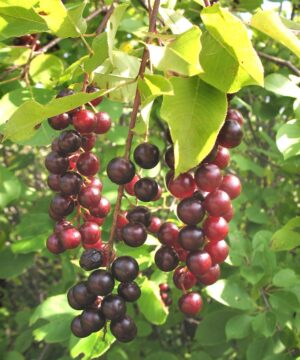
Prunus virginiana var. virginiana
Red Chokecherry, Virginia Chokecherry$16.99 - $43.99$13.59 - $35.19 Read more This product has multiple variants. The options may be chosen on the product page -

Aronia melanocarpa 'Viking'
Viking Black Chokeberry, Aronia Berry$17.99$14.39 Read more This product has multiple variants. The options may be chosen on the product page


