


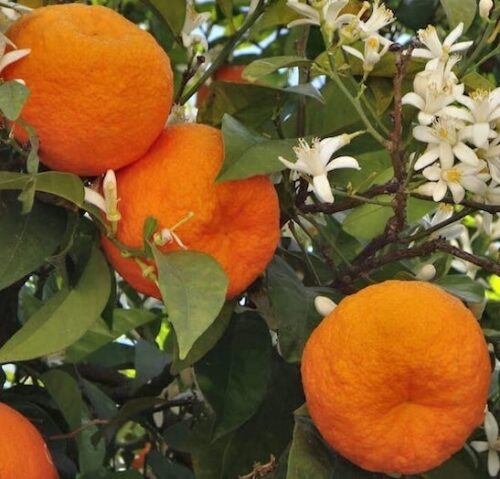
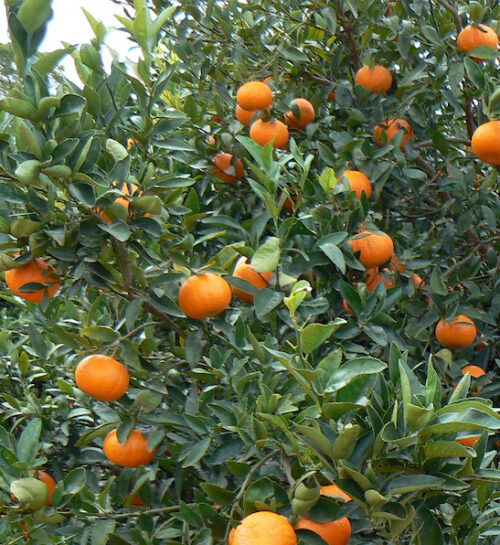
Citrus x aurantium 'Seville'
Seville Orange Tree, Seville Bitter Orange Tree, Seville Sour Orange Tree
$59.99 $49.99
- Main interest:
- large, tart bright orange fruit, fragrant flowers, best for marmelade
- Exposure:
- full sun
- Soil humidity:
- moist soil; well drained
- Flower colour:
- white
- Fragrance:
- Fragrant
- Flowering period:
- April to June
- Foliage:
- glossy green
- USDA Hardiness:
- zone 9a: -6.5 °C (20 °F) View Zone Map
- Mature height & width:
- height: 8 ft (2.4 m) width: 6 ft (1.8 m)
- Use:
- container
Citrus x aurantium 'Seville', commonly known as Seville Orange tree is a wonderful culinary citrus! It produces small to medium-sized juicy, aromatic oranges with a thick, dimpled, bumpy yellow-orange rind; and a sour, acidic, tangy, and somewhat bitter taste. The juice and rinds (which are very high in floral note essential oils) are used for both sweet and savory cooking; and the juice can be mixed into syrups, cocktails, vinaigrettes, aioli, sauces, and marinades. The zest can be used to flavor sugars, salts, vegetable dishes, and baked goods. Seville Sour Oranges can also be used as a substitute for key limes or lemons. The bitter rind and seeds are ideal for making candied orange peel and traditional marmalade, jams, and jellies.
The Seville Orange tree is evergreen; measures up to around 8 feet tall (when grown in pot) with glossy, mid-dark green leaves. Fragrant white flowers may be produced year-round in favourable conditions, but generally appear from late spring into early summer with fruits ripening and ready for harvesting eight months later. Grow Seville Bitter Orange tree as a specimen plant in a large pot or container, especially where you can enjoy its fragrance. Sour orange dislikes root disturbance, so plant in its forever container. Place Seville Sour Orange tree next to a patio, a deck or an outdoor eating area, where it will be easy to harvest for meals and drinks. overwinter indoors. Must be brought indoors when the temperature dips below -6 °C.
- Main interest:
- large, tart bright orange fruit, fragrant flowers, best for marmelade
- Exposure:
- full sun
- Soil humidity:
- moist soil; well drained
- Flower colour:
- white
- Fragrance:
- Fragrant
- Flowering period:
- April to June
- Foliage:
- glossy green
- USDA Hardiness:
- zone 9a: -6.5 °C (20 °F) View Zone Map
- Mature height & width:
- height: 8 ft (2.4 m) width: 6 ft (1.8 m)
- Use:
- container
Citrus x aurantium 'Seville', commonly known as Seville Orange tree is a wonderful culinary citrus! It produces small to medium-sized juicy, aromatic oranges with a thick, dimpled, bumpy yellow-orange rind; and a sour, acidic, tangy, and somewhat bitter taste. The juice and rinds (which are very high in floral note essential oils) are used for both sweet and savory cooking; and the juice can be mixed into syrups, cocktails, vinaigrettes, aioli, sauces, and marinades. The zest can be used to flavor sugars, salts, vegetable dishes, and baked goods. Seville Sour Oranges can also be used as a substitute for key limes or lemons. The bitter rind and seeds are ideal for making candied orange peel and traditional marmalade, jams, and jellies.
The Seville Orange tree is evergreen; measures up to around 8 feet tall (when grown in pot) with glossy, mid-dark green leaves. Fragrant white flowers may be produced year-round in favourable conditions, but generally appear from late spring into early summer with fruits ripening and ready for harvesting eight months later. Grow Seville Bitter Orange tree as a specimen plant in a large pot or container, especially where you can enjoy its fragrance. Sour orange dislikes root disturbance, so plant in its forever container. Place Seville Sour Orange tree next to a patio, a deck or an outdoor eating area, where it will be easy to harvest for meals and drinks. overwinter indoors. Must be brought indoors when the temperature dips below -6 °C.
Also known as: Seville Marmalade Orange Tree, Seville Bigarade Orange Tree
Related products
-
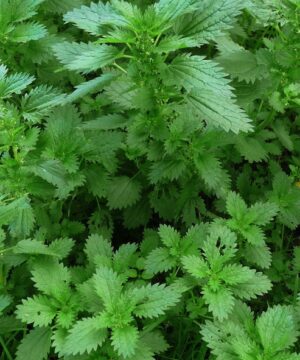
Urtica dioica
Stinging Nettle, Common Nettle Out of stock Read more -
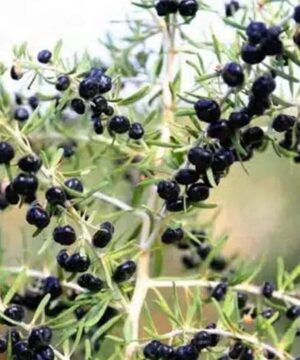
Lycium ruthenicum
Black Goji Berry, Russian Box Thorn, Black Fruit Wolfberry $15.99 - $42.99 Read more This product has multiple variants. The options may be chosen on the product page -
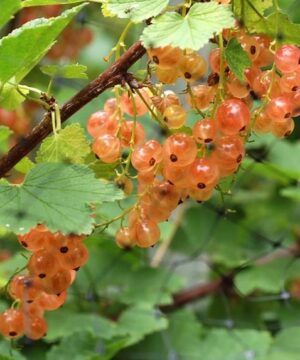
Ribes rubrum 'Pink Champagne' (mid-season)
Pink Champagne Pink Currant $16.99 Read more This product has multiple variants. The options may be chosen on the product page -
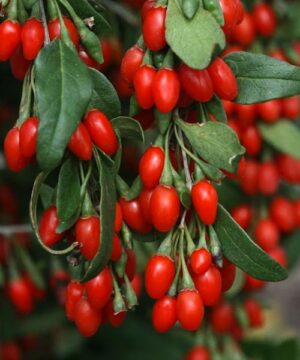
Lycium barbarum 'Dynamite'
Dynamite Goji Berry Plant $6.99 - $39.99 Read more This product has multiple variants. The options may be chosen on the product page


