




Asimina triloba KSU Chappell™
KSU Chappell Pawpaw Fruit Tree
- Main interest:
- very large (up to 1 lb each), sweet flavourful fruit, vigorous tree
- Exposure:
- full sun to partial shade
- Soil humidity:
- moist to wet soil; well drained
- Flower colour:
- purple brown
- Fragrance:
- Non-fragrant
- Flowering period:
- May to June
- Foliage:
- green turning yellow in autumn
- USDA Hardiness:
- zone 5a: -29 °C (-20 °F) View Zone Map
- Mature height & width:
- height: 20 ft (6 m) width: 30 ft (9 m)
- Use:
- fruit production, orchard, specimen
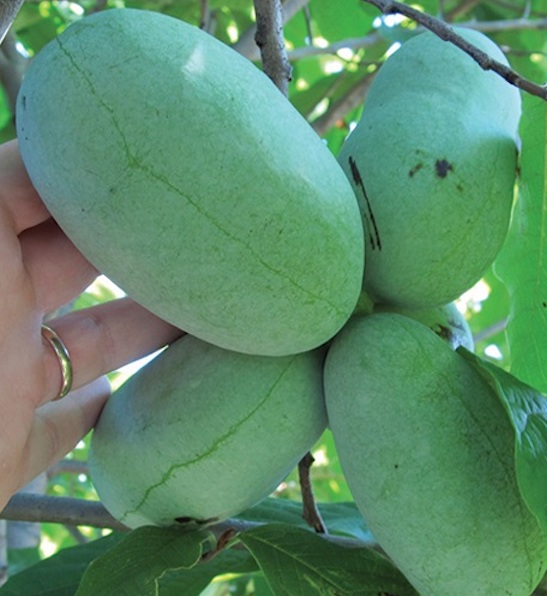
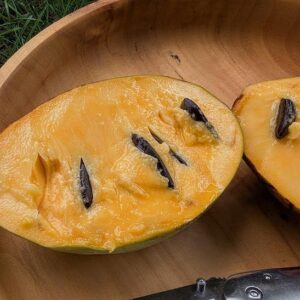
KSU Chappell Pawpaw fruit tree (Asimina triloba KSU Chappell™) produces exceptionally large, flavourful fruit weighing up to 454 g (1 lb) each. This Chappell Pawpaw variety is noted for being very tasty, with sweet, custard-like flesh. Pawpaw fruit has been described as having an exotic blend of banana/mango/pineapple flavours. Only the soft flesh is eaten—the skin is not edible. Pawpaw fruit is delicious fresh or used in salads, preserves, pies, vinaigrettes, and ice cream.
Pawpaws are rarely found in grocery stores due to their fragile nature and short shelf life, making your home-grown fruit especially rewarding!
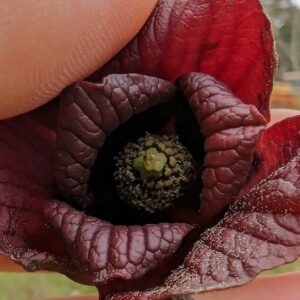
Pawpaw trees are typically slow growing with a naturally pyramidal shape, typically reaching 6 m (20 ft) at maturity. KSU Chappell Pawpaw Tree, however, is noted for being a particularly vigorous and productive cultivar. In May–June, trees produce six-petalled, purplish-brown flowers that, while not showy, are quite distinctive. The large, tropical-looking elliptical green leaves can grow up to 30 cm (1 ft) long and turn a brilliant yellow before dropping in autumn.
Trees generally begin bearing fruit within 2–3 years. The mango-shaped fruit ripens from September to October. Harvest promptly when ripe—before squirrels and raccoons discover them!
Pawpaw is a North American native. KSU Chappell Pawpaw fruit tree is hardy to zone 5a : -29 °C (-20 °F). No need to worry about our Canadian winter – you can enjoy this tropical looking plant without the fuss of bringing it indoors when the freeze hits!
Pawpaw is usually considered a low maintenance tree, with Asimina triloba KSU Chappell™ especially easy to grow. For best results, plant in well-drained, moist to wet soil. Full sun encourages maximum fruit production, though trees will tolerate partial shade. As with all pawpaws, you will require two different seedlings or cultivars for cross pollination. Consider planting the native Asimina triloba or Mango Asimina close by.
KSU Chappell Pawpaw plants typically have a lifespan of 20–30 years, providing many seasons of unique and delicious fruits.
- Main interest:
- very large (up to 1 lb each), sweet flavourful fruit, vigorous tree
- Exposure:
- full sun to partial shade
- Soil humidity:
- moist to wet soil; well drained
- Flower colour:
- purple brown
- Fragrance:
- Non-fragrant
- Flowering period:
- May to June
- Foliage:
- green turning yellow in autumn
- USDA Hardiness:
- zone 5a: -29 °C (-20 °F) View Zone Map
- Mature height & width:
- height: 20 ft (6 m) width: 30 ft (9 m)
- Use:
- fruit production, orchard, specimen
KSU Chappell Pawpaw fruit tree (Asimina triloba KSU Chappell™) produces exceptionally large, flavourful fruit weighing up to 454 g (1 lb) each. This Chappell Pawpaw variety is noted for being very tasty, with sweet, custard-like flesh. Pawpaw fruit has been described as having an exotic blend of banana/mango/pineapple flavours. Only the soft flesh is eaten—the skin is not edible. Pawpaw fruit is delicious fresh or used in salads, preserves, pies, vinaigrettes, and ice cream.
Pawpaws are rarely found in grocery stores due to their fragile nature and short shelf life, making your home-grown fruit especially rewarding!
Pawpaw trees are typically slow growing with a naturally pyramidal shape, typically reaching 6 m (20 ft) at maturity. KSU Chappell Pawpaw Tree, however, is noted for being a particularly vigorous and productive cultivar. In May–June, trees produce six-petalled, purplish-brown flowers that, while not showy, are quite distinctive. The large, tropical-looking elliptical green leaves can grow up to 30 cm (1 ft) long and turn a brilliant yellow before dropping in autumn.
Trees generally begin bearing fruit within 2–3 years. The mango-shaped fruit ripens from September to October. Harvest promptly when ripe—before squirrels and raccoons discover them!
Pawpaw is a North American native. KSU Chappell Pawpaw fruit tree is hardy to zone 5a : -29 °C (-20 °F). No need to worry about our Canadian winter – you can enjoy this tropical looking plant without the fuss of bringing it indoors when the freeze hits!
Pawpaw is usually considered a low maintenance tree, with Asimina triloba KSU Chappell™ especially easy to grow. For best results, plant in well-drained, moist to wet soil. Full sun encourages maximum fruit production, though trees will tolerate partial shade. As with all pawpaws, you will require two different seedlings or cultivars for cross pollination. Consider planting the native Asimina triloba or Mango Asimina close by.
KSU Chappell Pawpaw plants typically have a lifespan of 20–30 years, providing many seasons of unique and delicious fruits.
Synonym(s): Asimina triloba 'KSU 4-1'
Also known as: KSU Chappell Pawpaw Plant, KSU Chappell Pawpaw Tree, KSU Chappell Paw Paw, KSU 4-1 Pawpaw Fruit Tree, Common Pawpaw, American Pawpaw, Canadian Pawpaw, American Papaw, Kentucky Banana
Related products
-
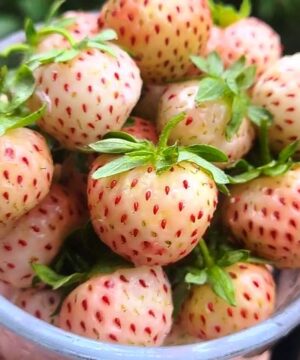
Fragaria x 'Albino'
Albino Strawberry (Pineberry)$15.99 - $39.99$12.79 - $31.99 Read more This product has multiple variants. The options may be chosen on the product page -
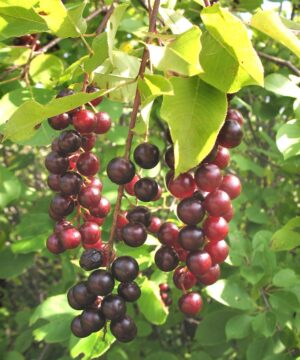
Prunus virginiana var. virginiana
Red Chokecherry, Virginia Chokecherry$16.99 - $43.99$13.59 - $35.19 Read more This product has multiple variants. The options may be chosen on the product page -
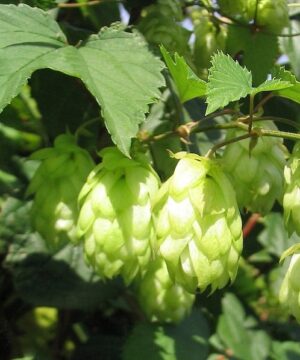
Humulus lupulus 'Nugget'
Nugget Hops Out of stock Read more -
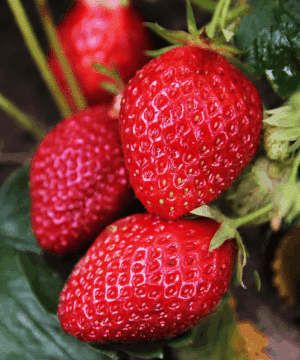
Fragaria 'Albion' (everbearing)
Albion Strawberry Out of stock Read more


