




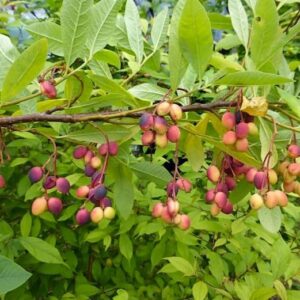
Oemleria cerasiformis (Osmaronia cerasiformis) (Seedling)
Indian Plum, Osoberry, Oregon Plum
$19.99 - $54.99
- Main interest:
- small edible plums, plum chocolate & olive flavour, drooping clusters of white flowers, attracts birds
- Exposure:
- full sun to partial shade
- Soil humidity:
- moist soil
- Flower colour:
- greenish-white
- Fragrance:
- fragrant
- Flowering period:
- March to April
- Foliage:
- bright green
- USDA Hardiness:
- zone 6a: -23.5 °C (-10 °F) View Zone Map
- Mature height & width:
- height: 20 ft (6 m) width: 15 ft (4.5 m)
- Use:
- fruit production, orchard, hedge, specimen, container
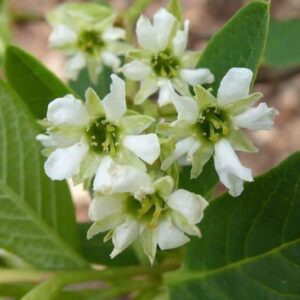
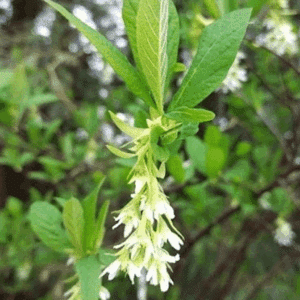
Native to British Columbia, one of the first native species to bloom in spring, Indian Plum tree (Oemleria cerasiformis) is a striking, large, upright shrub. It grows to 20 feet tall and 15 feet wide. The spring foliage is bright green with the marvellous scent of cucumber when crushed. Attractive, small, five-lobed flowers are born in pretty, drooping clusters at the end of leafy branches, usually appearing before the leaves unfurl. Each flower is white with a green calyx. Flowers have an unusual fragrance. Perceived in different ways by different people, it is said to be something between watermelon rind, cat urine and almonds.
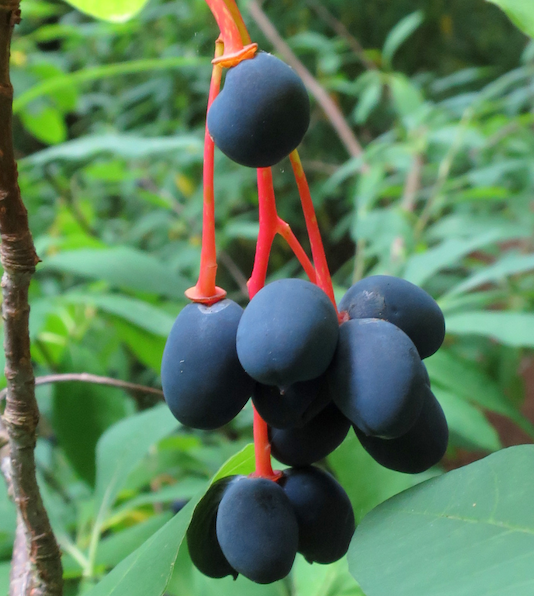
Indian Plum produces fruits that are like small plums with the unlikely, yet superlative flavours of plum, chocolate, and olive when fully ripe (before this point they are bitter). They are ovoid in shape, and turn from orange-salmon to red-purple. Plants are dioecious (male and female flowers are on separate plants). A nearby male plant is needed for female plants to set abundant fruit. Highly attractive to mammals and birds. Plant the Osoberry tree if you want the Cedar Waxwings to descend on your yard! Flowers are pollinated by hummingbirds, butterflies, native bees and other insects.
Hardy to USDA Zone 6a, Oemleria cerasiformis likes part shade. Best planted in a woodland garden, its flowers and new foliage brighten up early spring days. Its graceful, arching branches are prettiest in the shade of alders and maple. Because of its thicket-forming, suckering habit, it is not a good choice for a smaller formal garden, but is a great choice for open lands and reclamation sites.
- Main interest:
- small edible plums, plum chocolate & olive flavour, drooping clusters of white flowers, attracts birds
- Exposure:
- full sun to partial shade
- Soil humidity:
- moist soil
- Flower colour:
- greenish-white
- Fragrance:
- fragrant
- Flowering period:
- March to April
- Foliage:
- bright green
- USDA Hardiness:
- zone 6a: -23.5 °C (-10 °F) View Zone Map
- Mature height & width:
- height: 20 ft (6 m) width: 15 ft (4.5 m)
- Use:
- fruit production, orchard, hedge, specimen, container
Native to British Columbia, one of the first native species to bloom in spring, Indian Plum tree (Oemleria cerasiformis) is a striking, large, upright shrub. It grows to 20 feet tall and 15 feet wide. The spring foliage is bright green with the marvellous scent of cucumber when crushed. Attractive, small, five-lobed flowers are born in pretty, drooping clusters at the end of leafy branches, usually appearing before the leaves unfurl. Each flower is white with a green calyx. Flowers have an unusual fragrance. Perceived in different ways by different people, it is said to be something between watermelon rind, cat urine and almonds.
Indian Plum produces fruits that are like small plums with the unlikely, yet superlative flavours of plum, chocolate, and olive when fully ripe (before this point they are bitter). They are ovoid in shape, and turn from orange-salmon to red-purple. Plants are dioecious (male and female flowers are on separate plants). A nearby male plant is needed for female plants to set abundant fruit. Highly attractive to mammals and birds. Plant the Osoberry tree if you want the Cedar Waxwings to descend on your yard! Flowers are pollinated by hummingbirds, butterflies, native bees and other insects.
Hardy to USDA Zone 6a, Oemleria cerasiformis likes part shade. Best planted in a woodland garden, its flowers and new foliage brighten up early spring days. Its graceful, arching branches are prettiest in the shade of alders and maple. Because of its thicket-forming, suckering habit, it is not a good choice for a smaller formal garden, but is a great choice for open lands and reclamation sites.
Synonym(s): Osmaronia cerasiformis, Nuttallia cerasiformis
Also known as: Oso Berry, Indian Peach, Squaw Plum
Related products
-
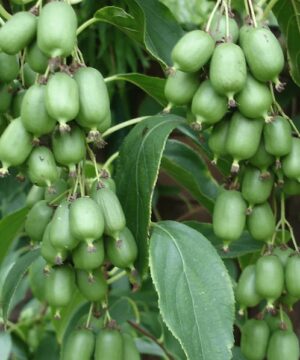
Actinidia arguta 'Issaï' (self-fertile) (female)
Issaï Hardy Kiwi Vine, Issaï Kiwi Plant, Issaï Self-pollinating Kiwi $19.99 - $54.99 Read more This product has multiple variants. The options may be chosen on the product page -
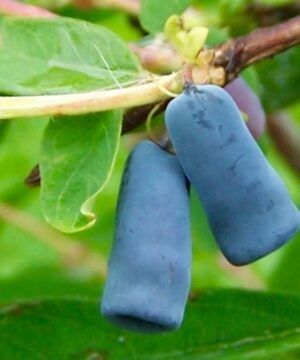
Lonicera caerulea 'Berry Blue' (early-season)
Berry Blue Haskap (Honeyberry) $16.99 - $45.99 Read more This product has multiple variants. The options may be chosen on the product page -

Aronia melanocarpa 'Viking'
Viking Black Chokeberry, Aronia Berry $15.99 Read more This product has multiple variants. The options may be chosen on the product page -
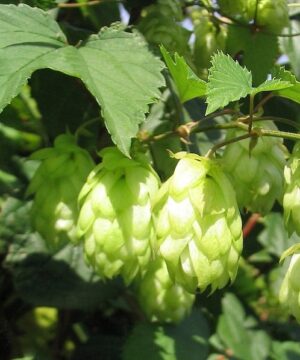
Humulus lupulus 'Nugget'
Nugget Hops Out of stock Read more


