






Citrus bergamia
Bergamot Orange Tree
- Main interest:
- aromatic oils in zest, tasty juice, culinary uses
- Exposure:
- full sun
- Soil humidity:
- moist soil; well drained
- Flower colour:
- white
- Fragrance:
- Fragrant
- Flowering period:
- April to June
- Foliage:
- glossy green
- USDA Hardiness:
- zone 9a: -6.5 °C (20 °F) View Zone Map
- Mature height & width:
- height: 6 ft (1.8 m) width: 6 ft (1.8 m)
- Use:
- container
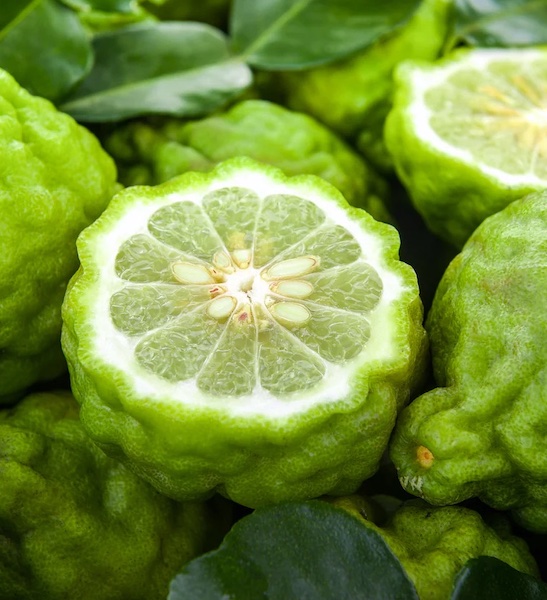
Bergamot Orange (Citrus bergamia) is best known as the distinctive flavouring in Earl Grey tea and is a true culinary delight. Classified as a sour orange like 'Seville', it is sweeter than a lemon yet pleasantly tart. Citrus bergamia is prized for its highly aromatic juice and rind, both of which are extremely useful in the kitchen. The flavourful juice can be incorporated into syrups, vinaigrettes, and a wide variety of beverages. The zest is ideal for making highly regarded marmalades and can also be used as a seasoning in vegetable dishes and baked goods.
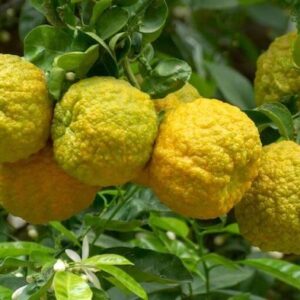
The Bergamot Orange tree is believed to be a hybrid of sour orange and citron or lemon. It produces abundant crops of medium-sized fruit, most commonly obovoid in shape. The bright lemon-yellow rind is slightly rough, and the fruit contains few seeds. The pale-yellow flesh is acidic with a moderate juice content.
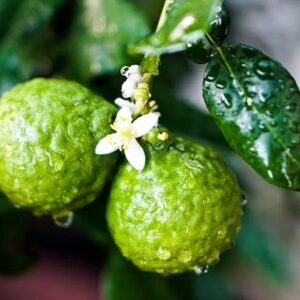
The tough, glossy green leaves release a lovely citrus scent when crumpled, while the white flowers are deliciously sweet. Flowering typically occurs from April to June but may happen year-round. Bergamot Orange is self-fertile, though fruit set can be improved by gently transferring pollen between flowers using a small brush.
Bergamot Orange is grown on the hardy, dwarfing rootstock ‘Flying Dragon,’ which keeps plants under 1.8 m (6 ft) tall and encourages early fruit production. The plant is thornless and has an attractive spreading habit.
Grow this attractive dwarf Bergamot Orange tree as a specimen plant in a container, where its fragrance can be fully enjoyed. It is especially well suited for placement near patios, decks, or outdoor dining areas, making harvesting convenient for meals and drinks. Keep the soil consistently moist but well drained. Hardy to zone 9a, the Bergamot Orange plant should be brought indoors before fall frosts and placed in a sunny location protected from winter cold.
Interestingly, Bergamot Orange tree has been grown almost exclusively for centuries along a 90 km stretch of the Ionian coast in Italy. The pleasantly aromatic oil extracted from the zest is a prized ingredient in perfumes and luxury cosmetics, valued for its complex citrus top note and its ability to fix scents to the skin.
A wonderfully fragrant specimen, from flowers to rind to leaves.
Note: Bergamot Orange is unrelated to the herbs commonly known as bergamot, wild bergamot, or bergamot mint (Monarda species).
- Main interest:
- aromatic oils in zest, tasty juice, culinary uses
- Exposure:
- full sun
- Soil humidity:
- moist soil; well drained
- Flower colour:
- white
- Fragrance:
- Fragrant
- Flowering period:
- April to June
- Foliage:
- glossy green
- USDA Hardiness:
- zone 9a: -6.5 °C (20 °F) View Zone Map
- Mature height & width:
- height: 6 ft (1.8 m) width: 6 ft (1.8 m)
- Use:
- container
Bergamot Orange (Citrus bergamia) is best known as the distinctive flavouring in Earl Grey tea and is a true culinary delight. Classified as a sour orange like 'Seville', it is sweeter than a lemon yet pleasantly tart. Citrus bergamia is prized for its highly aromatic juice and rind, both of which are extremely useful in the kitchen. The flavourful juice can be incorporated into syrups, vinaigrettes, and a wide variety of beverages. The zest is ideal for making highly regarded marmalades and can also be used as a seasoning in vegetable dishes and baked goods.
The Bergamot Orange tree is believed to be a hybrid of sour orange and citron or lemon. It produces abundant crops of medium-sized fruit, most commonly obovoid in shape. The bright lemon-yellow rind is slightly rough, and the fruit contains few seeds. The pale-yellow flesh is acidic with a moderate juice content.
The tough, glossy green leaves release a lovely citrus scent when crumpled, while the white flowers are deliciously sweet. Flowering typically occurs from April to June but may happen year-round. Bergamot Orange is self-fertile, though fruit set can be improved by gently transferring pollen between flowers using a small brush.
Bergamot Orange is grown on the hardy, dwarfing rootstock ‘Flying Dragon,’ which keeps plants under 1.8 m (6 ft) tall and encourages early fruit production. The plant is thornless and has an attractive spreading habit.
Grow this attractive dwarf Bergamot Orange tree as a specimen plant in a container, where its fragrance can be fully enjoyed. It is especially well suited for placement near patios, decks, or outdoor dining areas, making harvesting convenient for meals and drinks. Keep the soil consistently moist but well drained. Hardy to zone 9a, the Bergamot Orange plant should be brought indoors before fall frosts and placed in a sunny location protected from winter cold.
Interestingly, Bergamot Orange tree has been grown almost exclusively for centuries along a 90 km stretch of the Ionian coast in Italy. The pleasantly aromatic oil extracted from the zest is a prized ingredient in perfumes and luxury cosmetics, valued for its complex citrus top note and its ability to fix scents to the skin.
A wonderfully fragrant specimen, from flowers to rind to leaves.
Note: Bergamot Orange is unrelated to the herbs commonly known as bergamot, wild bergamot, or bergamot mint (Monarda species).
Synonym(s): Citrus x limon var. bergamia, Citrus x bergamia, Citrus aurantium var. bergamia
Related products
-
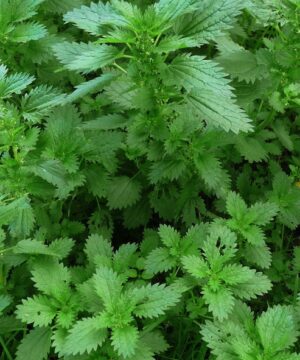
Urtica dioica
Stinging Nettle, Common Nettle Out of stock Read more -
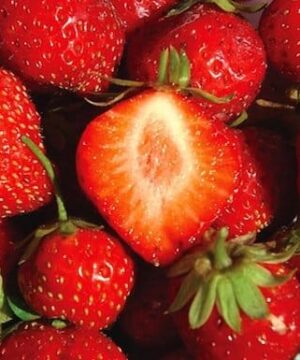
Fragaria x 'Mara des bois' (everbearing)
Everbearing Strawberry, Mara des Bois Strawberry$7.99$6.39 Read more This product has multiple variants. The options may be chosen on the product page -
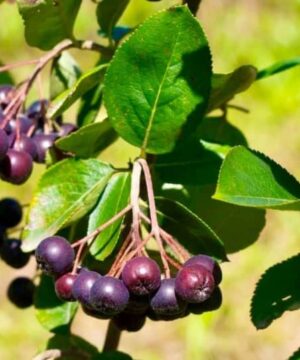
Aronia melanocarpa 'McKenzie'
McKenzie Black Chokeberry, Aronia Berry Out of stock Read more -

Rubus fruticosus 'Chester'
Chester Hardy Blackberry, Chester Blackberry Out of stock Read more


