


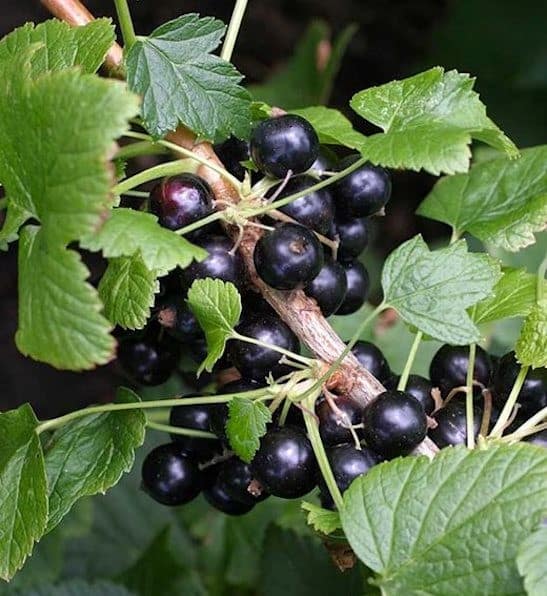
Ribes americanum
Wild Black Currant, American Black Currant
- Main interest:
- very hardy, native, edible black fruit loved by birds, bees and butterflies
- Exposure:
- full sun to partial shade
- Soil humidity:
- moist soil
- Flower colour:
- greenish white to creamy yellow
- Fragrance:
- Non-fragrant
- Flowering period:
- May to June
- Foliage:
- green
- USDA Hardiness:
- zone 2a: -45.5 °C (-50 °F) View Zone Map
- Mature height & width:
- height: 5 ft (1.5 m) width: 5 ft (1.5 m)
- Use:
- edible garden, renaturalization, woodland, shade garden, low hedge, foundation, container, specimen
Wild Black Currant is a small, thornless, erect shrub growing to 5 feet tall. Showy, fertile yellow-green flowers are pollinated by honeybees and bumblebees in spring. It blooms for about 3 weeks in May-June. The dark purple berries hang in chain-like clusters along the stem. The berries are smooth, 3/8”, with a thin skin, and contain many tiny seeds. They are great cooked in jams and jellies, or dried; and are high in vitamins A and C, and in potassium, phosphorus, and calcium. They ripen mid-summer. Expect good to high yields of 6 -10 pounds year two or three.
Ribes americanum is in the gooseberry family, and is closely related to gooseberries, and several other species of currants. It is a native shrub, and has a rhizomatous root system. It grows naturally in swamps, along stream edges, in wet meadows and open woods. American Black Currant is quite tolerant of moist soil, prefers full sun but will flower and fruit in partial shade. The plant does not sucker but will form thickets via the underground stems. It is perfect for woodland gardens and edible gardens, attracting birds, butterflies and other wildlife. Great for erosion control; and it is drought and deer tolerant. Also, it is juglone tolerant. So, it’s another great native plant for proximity to black walnut trees.
- Main interest:
- very hardy, native, edible black fruit loved by birds, bees and butterflies
- Exposure:
- full sun to partial shade
- Soil humidity:
- moist soil
- Flower colour:
- greenish white to creamy yellow
- Fragrance:
- Non-fragrant
- Flowering period:
- May to June
- Foliage:
- green
- USDA Hardiness:
- zone 2a: -45.5 °C (-50 °F) View Zone Map
- Mature height & width:
- height: 5 ft (1.5 m) width: 5 ft (1.5 m)
- Use:
- edible garden, renaturalization, woodland, shade garden, low hedge, foundation, container, specimen
Wild Black Currant is a small, thornless, erect shrub growing to 5 feet tall. Showy, fertile yellow-green flowers are pollinated by honeybees and bumblebees in spring. It blooms for about 3 weeks in May-June. The dark purple berries hang in chain-like clusters along the stem. The berries are smooth, 3/8”, with a thin skin, and contain many tiny seeds. They are great cooked in jams and jellies, or dried; and are high in vitamins A and C, and in potassium, phosphorus, and calcium. They ripen mid-summer. Expect good to high yields of 6 -10 pounds year two or three.
Ribes americanum is in the gooseberry family, and is closely related to gooseberries, and several other species of currants. It is a native shrub, and has a rhizomatous root system. It grows naturally in swamps, along stream edges, in wet meadows and open woods. American Black Currant is quite tolerant of moist soil, prefers full sun but will flower and fruit in partial shade. The plant does not sucker but will form thickets via the underground stems. It is perfect for woodland gardens and edible gardens, attracting birds, butterflies and other wildlife. Great for erosion control; and it is drought and deer tolerant. Also, it is juglone tolerant. So, it’s another great native plant for proximity to black walnut trees.
Also known as: Eastern Black Currant
Related products
-
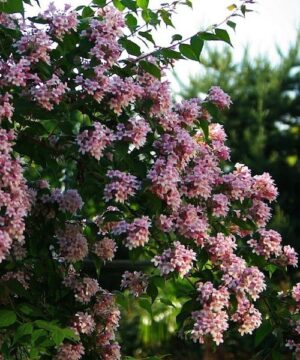
Kolkwitzia amabilis 'Pink Cloud'
Beautybush 'Pink Cloud' $15.99 - $42.99 Read more This product has multiple variants. The options may be chosen on the product page -

Deutzia crenata 'Nikko'
Nikko Slender Deutzia$15.99 - $42.99$9.99 - $42.99 Read more This product has multiple variants. The options may be chosen on the product page -
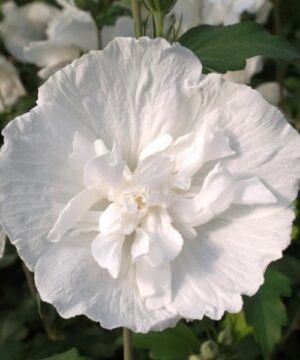
Hibiscus syriacus 'Double White'
Double White Rose of Sharon Out of stock Read more -
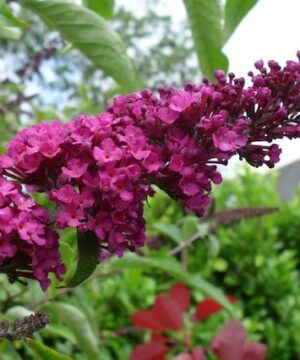
Buddleja davidii 'Royal Red'
Royal Red Butterfly Bush$15.99 - $42.99$11.99 - $42.99 Read more This product has multiple variants. The options may be chosen on the product page


