




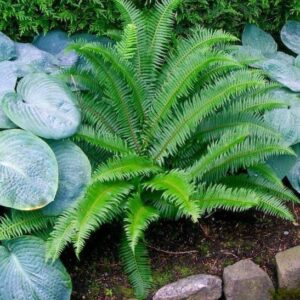

Polystichum munitum
Western Sword Fern, Swordfern
- Main interest:
- tall large upright spored fronds, low maintenance
- Exposure:
- partial to full shade
- Soil humidity:
- moist soil
- Growth type:
- clumping
- Foliage:
- green
- USDA Hardiness:
- zone 5a: -29 °C (-20 °F) View Zone Map
- Mature height & width:
- height: 3 ft (0.9 m) width: 5 ft (1.5 m)
- Use:
- foundation, mass planting, shade garden, specimen, underplanting, woodland, container
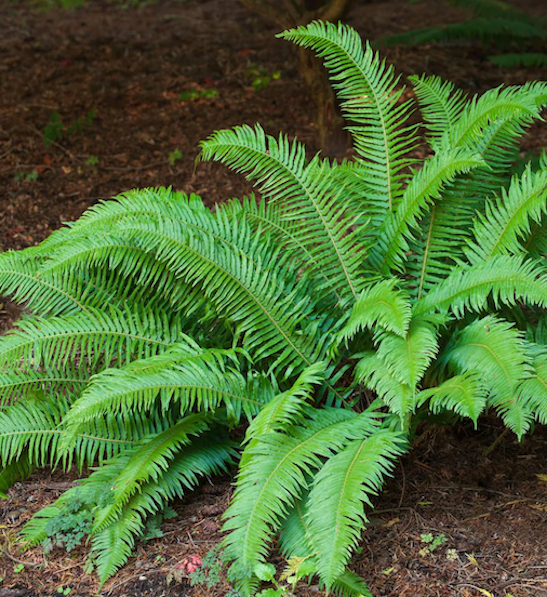
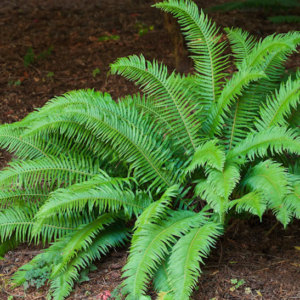
The award winning Western Sword fern (Royal Horticultural Society's Award of Garden Merit), is a broadleaf fern that grows in clumps of 75 to 100, arching, erect fronds, 3 to 4 feet tall! A dense, evergreen or semi-evergreen, it originates from the west coast of North America, and is indigenous to British Columbia and the Yukon. The Swordfern is mostly a coastal species, but it is found inland due to its highly adaptive nature.
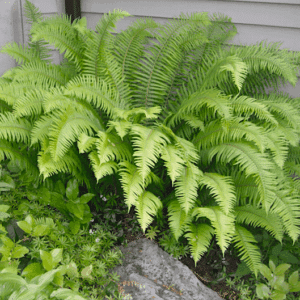
Sword Fern is large, tough, and beautiful with excellent presence in the woodland or shade garden. Drought tolerant once established. Deer resistant. Plant in drifts along woodland borders, in shady areas of the garden, and in pots and planters to dramatic affect. (Bring inside or into a cold frame over winter if planted in containers.) Lovely in a floral bouquet. Swordfern can grow to 6 feet wide.
Polystichum munitum prefers partial to full shade, moist, well-drained soils in humid conditions, but can tolerate some sun and dry periods. It adapts to various soils but prefers acidic to slightly acidic conditions. The fronds will burn if exposed to full sun.
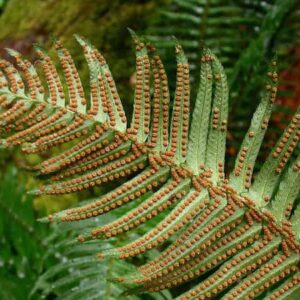
In the fall when the fronds begin to die off for the winter, they should not be removed. These fronds will protect the new growth that will occur in the spring. The Sword Fern is propagated by spores and rhizomes. The rhizomes will survive through the winter when planted in the ground, but container plants should be moved indoors.
The Western Sword fern was long used to make domestic items, such as floor coverings, bedding, and clothing by Indigenous Coastal Peoples. Sword Ferns can live for many years.
- Main interest:
- tall large upright spored fronds, low maintenance
- Exposure:
- partial to full shade
- Soil humidity:
- moist soil
- Growth type:
- clumping
- Foliage:
- green
- USDA Hardiness:
- zone 5a: -29 °C (-20 °F) View Zone Map
- Mature height & width:
- height: 3 ft (0.9 m) width: 5 ft (1.5 m)
- Use:
- foundation, mass planting, shade garden, specimen, underplanting, woodland, container
The award winning Western Sword fern (Royal Horticultural Society's Award of Garden Merit), is a broadleaf fern that grows in clumps of 75 to 100, arching, erect fronds, 3 to 4 feet tall! A dense, evergreen or semi-evergreen, it originates from the west coast of North America, and is indigenous to British Columbia and the Yukon. The Swordfern is mostly a coastal species, but it is found inland due to its highly adaptive nature.
Sword Fern is large, tough, and beautiful with excellent presence in the woodland or shade garden. Drought tolerant once established. Deer resistant. Plant in drifts along woodland borders, in shady areas of the garden, and in pots and planters to dramatic affect. (Bring inside or into a cold frame over winter if planted in containers.) Lovely in a floral bouquet. Swordfern can grow to 6 feet wide.
Polystichum munitum prefers partial to full shade, moist, well-drained soils in humid conditions, but can tolerate some sun and dry periods. It adapts to various soils but prefers acidic to slightly acidic conditions. The fronds will burn if exposed to full sun.
In the fall when the fronds begin to die off for the winter, they should not be removed. These fronds will protect the new growth that will occur in the spring. The Sword Fern is propagated by spores and rhizomes. The rhizomes will survive through the winter when planted in the ground, but container plants should be moved indoors.
The Western Sword fern was long used to make domestic items, such as floor coverings, bedding, and clothing by Indigenous Coastal Peoples. Sword Ferns can live for many years.
Synonym(s): Aspidium munitum, Polystichum munitum var. incisoserratum
Also known as: Common Sword Fern, Giant Holly Fern
Related products
-
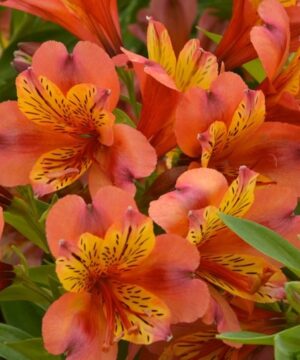
Alstroemeria MAJESTIC 'Henri'
Henri Alstroemeria (Peruvian Lily) $19.99 Read more This product has multiple variants. The options may be chosen on the product page -
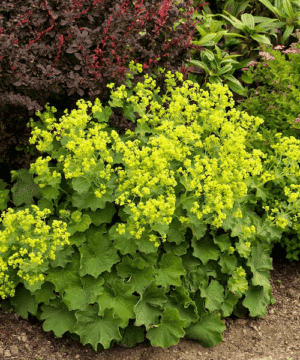
Alchemilla mollis
Lady's Mantle $15.99 Read more This product has multiple variants. The options may be chosen on the product page -
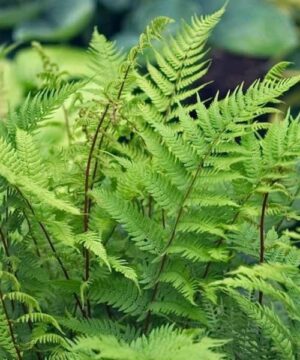
Athyrium filix-femina var. angustum 'Lady in Red'
Lady in Red Northern Lady Fern Out of stock Read more -
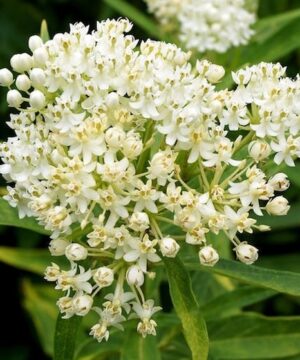
Asclepias incarnata 'Ice Ballet'
Ice Ballet Swamp Milkweed Out of stock Read more


