




Asimina triloba (Seedling)
Pawpaw Tree, Pawpaw Plant
$24.99
- Main interest:
- tasty mango-banana-flavoured fruit, bright yellow fall foliage
- Exposure:
- full sun to partial shade
- Soil humidity:
- moist to wet soil; well drained
- Flower colour:
- purple brown
- Flowering period:
- May to June
- Foliage:
- green turning yellow in autumn
- USDA Hardiness:
- zone 5a: -29 °C (-20 °F) View Zone Map
- Mature height & width:
- height: 20 ft (6 m) width: 30 ft (9 m)
- Use:
- fruit production, orchard, specimen
Pawpaw (Asimina triloba) is native to southwestern Ontario, and is known for its large, tasty and edible fruits. Pawpaw fruit has a custard-like texture, and is said to taste like a combination of banana, pineapple and mango - something for everyone!
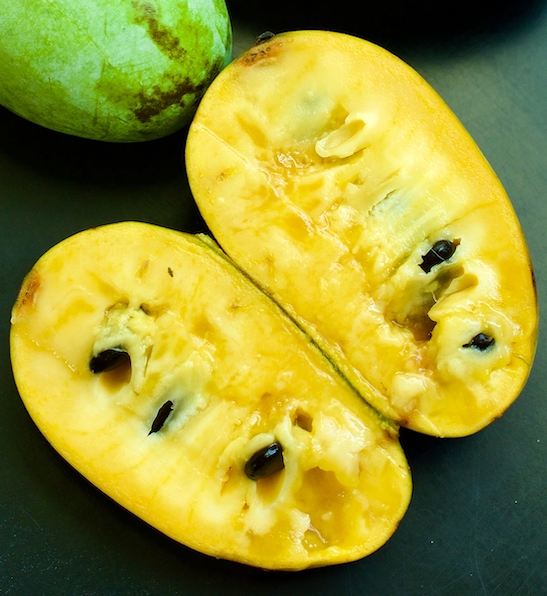
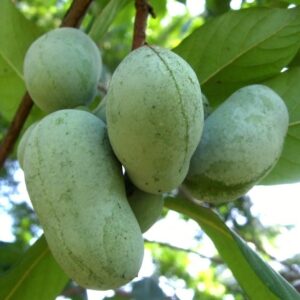
The yellow-orange fleshed fruit of the Pawpaw Tree (Asimina triloba) is oblong, and up to 16 cm (6 inches) in length. Beginning as yellowish-green fruits, they mature in autumn to a dark brown. The fruit is perishable, which is likely why we do not see it fresh in our stores. Growing in our home edible gardens is beginning very popular. Ripe fruit can be eaten raw, and is commonly used in pies, preserves, salads, vinaigrettes, and ice cream.
The Pawpaw plant is a small understory tree with a rounded crown. Reaching a height of 6 m (20 feet) and spread of up to 9 m (30 feet), the fruit is relatively easy to harvest. Wildlife, such as squirrels and raccoons, also enjoy the fruit, so keep an eye on its progression in order to beat the critters to the harvest! The fruit ripens from September to October. Do not eat unripe fruits as they can cause nausea and vomiting.
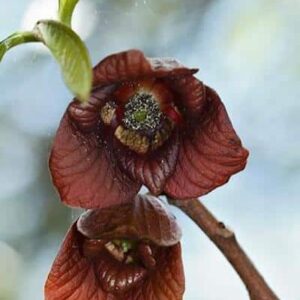
The nodding purple flowers have an interesting look, but are not showy. Blooming in June, the flowers are fragrant, but pleasant only to its fly and beetle pollinators. The large, leaves are tropical looking - slightly drooping and elliptical. The leaves tend to remain green well into autumn, then turn a bright yellow before falling.
Hardy to zone 5a, the native Pawpaw prefers moist to wet, well-drained soil with full sun to partial shade sites. Pawpaw trees are monoecious, they produce male and female flowers on the same plant, but they bloom at different times, making Pawpaw trees not self-pollinating. With these Pawpaw seedlings (seed grown), it is recommend to grow at least 2 plants near each other for fruit production. Pawpaws usually begin bearing fruit in two or three years. The lifespan of a Pawpaw tree (Asimina triloba) can vary, but typically they survive 20-30 years. Interestingly, the caterpillar of the Zebra Swallowtail butterfly feeds only on Pawpaw. This native tree is known under many names; Common Pawpaw, American Custard Apple, and American Papaw.
- Main interest:
- tasty mango-banana-flavoured fruit, bright yellow fall foliage
- Exposure:
- full sun to partial shade
- Soil humidity:
- moist to wet soil; well drained
- Flower colour:
- purple brown
- Flowering period:
- May to June
- Foliage:
- green turning yellow in autumn
- USDA Hardiness:
- zone 5a: -29 °C (-20 °F) View Zone Map
- Mature height & width:
- height: 20 ft (6 m) width: 30 ft (9 m)
- Use:
- fruit production, orchard, specimen
Pawpaw (Asimina triloba) is native to southwestern Ontario, and is known for its large, tasty and edible fruits. Pawpaw fruit has a custard-like texture, and is said to taste like a combination of banana, pineapple and mango - something for everyone!
The yellow-orange fleshed fruit of the Pawpaw Tree (Asimina triloba) is oblong, and up to 16 cm (6 inches) in length. Beginning as yellowish-green fruits, they mature in autumn to a dark brown. The fruit is perishable, which is likely why we do not see it fresh in our stores. Growing in our home edible gardens is beginning very popular. Ripe fruit can be eaten raw, and is commonly used in pies, preserves, salads, vinaigrettes, and ice cream.
The Pawpaw plant is a small understory tree with a rounded crown. Reaching a height of 6 m (20 feet) and spread of up to 9 m (30 feet), the fruit is relatively easy to harvest. Wildlife, such as squirrels and raccoons, also enjoy the fruit, so keep an eye on its progression in order to beat the critters to the harvest! The fruit ripens from September to October. Do not eat unripe fruits as they can cause nausea and vomiting.
The nodding purple flowers have an interesting look, but are not showy. Blooming in June, the flowers are fragrant, but pleasant only to its fly and beetle pollinators. The large, leaves are tropical looking - slightly drooping and elliptical. The leaves tend to remain green well into autumn, then turn a bright yellow before falling.
Hardy to zone 5a, the native Pawpaw prefers moist to wet, well-drained soil with full sun to partial shade sites. Pawpaw trees are monoecious, they produce male and female flowers on the same plant, but they bloom at different times, making Pawpaw trees not self-pollinating. With these Pawpaw seedlings (seed grown), it is recommend to grow at least 2 plants near each other for fruit production. Pawpaws usually begin bearing fruit in two or three years. The lifespan of a Pawpaw tree (Asimina triloba) can vary, but typically they survive 20-30 years. Interestingly, the caterpillar of the Zebra Swallowtail butterfly feeds only on Pawpaw. This native tree is known under many names; Common Pawpaw, American Custard Apple, and American Papaw.
Synonym(s): Annona triloba
Also known as: Common Pawpaw Tree, Pawpaw Fruit Tree, American Custard Apple Tree, American Pawpaw, Canadian Pawpaw, American Papaw, Pawpaw seedling
Related products
-
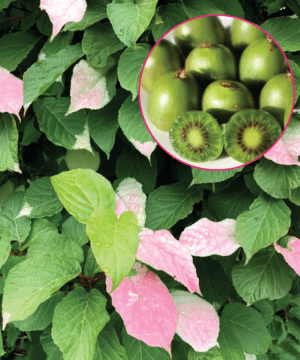
Actinidia kolomikta 'September Sun' (female)
September Sun Arctic Kiwi, Female Arctic Kiwi, Female Kolomikta Vine, Variegated Kiwi Vine $17.99 - $48.99 Read more This product has multiple variants. The options may be chosen on the product page -
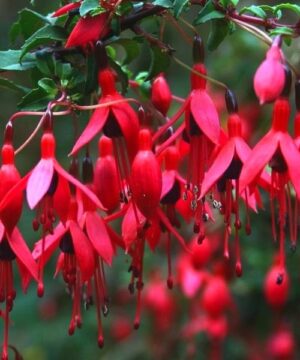
Fuchsia magellanica 'Riccartonii'
Chilean Hardy Fuchsia Out of stock Read more -
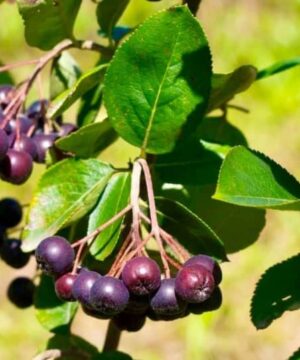
Aronia melanocarpa 'McKenzie'
McKenzie Black Chokeberry, Aronia Berry Out of stock Read more This product has multiple variants. The options may be chosen on the product page -
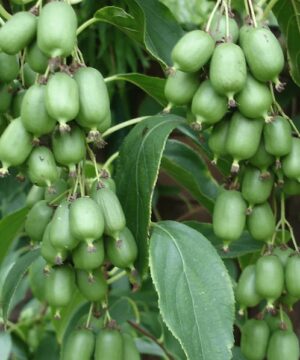
Actinidia arguta 'Issaï' (self-fertile) (female)
Issaï Hardy Kiwi Vine, Issaï Kiwi Plant, Issaï Self-pollinating Kiwi $19.99 - $54.99 Read more This product has multiple variants. The options may be chosen on the product page


