




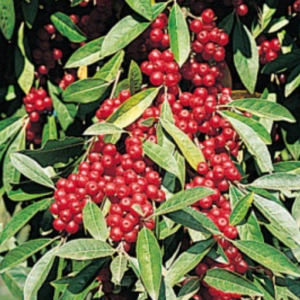
Elaeagnus umbellata ‘Garnet’
Autumn Elaeagnus, Garnet Autumn Olive, Garnet Japanese Silverberry
$21.99 - $65.99 $17.59 - $52.79
- Main interest:
- abundant crops of large, red sweet berries, self fertile, nitrogen fixing shrub
- Exposure:
- full sun
- Soil humidity:
- dry to moist soil; well drained
- Flower colour:
- silvery white
- Fragrance:
- Fragrant
- Flowering period:
- May to June
- Foliage:
- silvery-green
- USDA Hardiness:
- zone 4a: -34.5 °C (-30 °F) View Zone Map
- Mature height & width:
- height: 15 ft (4.5 m) width: 20 ft (6 m)
- Use:
- fruit production, orchard, specimen, hedge, xeriscaping
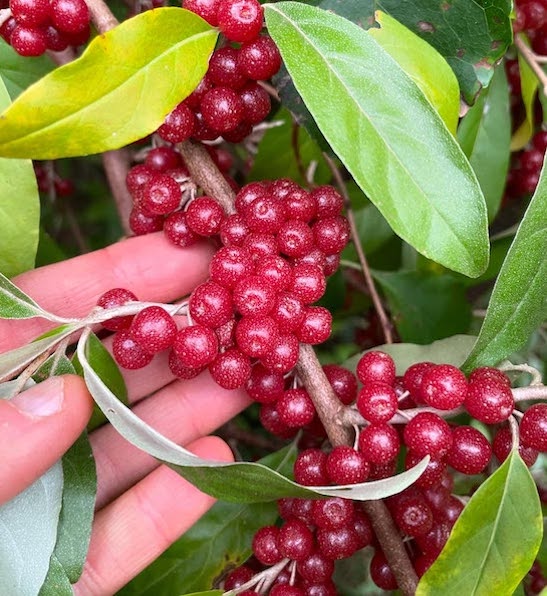
Garnet Autumn Elaeagnus (Elaeagnus umbellata ‘Garnet’) is a very hardy, disease-resistant, and attractive large shrub that produces abundant crops of berries. ‘Garnet’ bears large, reddish-bronze fruits that are sweet, very flavourful, and low in astringency. Exceptionally high in lycopene—a potent antioxidant—each plant can produce yields of over 23 kg (50 lb).
The berries begin to ripen in mid-September; however, for best flavour it is recommended to delay harvest, as the fruit will sweeten further if left on the shrub into October after exposure to autumn chills. Each berry contains a single seed and can be eaten fresh, dried, or cooked into pies, jams, and other preserves. Birds also relish the fruit.
In May and June, Garnet Autumn Olive produces abundant, fragrant clusters of silvery-white flowers that attract bees and other pollinators. The leathery, elliptical leaves (5–7.5 cm long) have gently wavy margins and are dark greyish-green with distinctive silver scaling on the undersides. The stems of Garnet Japanese Silverberry are an attractive golden brown and are armed with thorns, so care should be taken during harvest and maintenance.
Garnet Autumn Elaeagnus prefers well-drained soil and at least a half day to full sun. It is self-fertile and hardy to zone 4a (–34.5 °C), often beginning to bear fruit in its second year after planting. A nitrogen-fixing shrub, Garnet Autumn Olive is vigorous and adaptable, thriving in a wide range of growing conditions.
Autumn Olive was once widely planted across North America for windbreaks, erosion control, highway beautification, wildlife habitat, and as a food source for wildlife. However, this practice was discontinued because it is a prolific seed producer and spreads by root suckers, allowing it to outcompete and displace other species. Use caution when selecting a planting site, promptly remove suckers, and dispose of seeds responsibly to control spread.
Note: Autumn Olive is not related to the true olive (Olea europaea).
- Main interest:
- abundant crops of large, red sweet berries, self fertile, nitrogen fixing shrub
- Exposure:
- full sun
- Soil humidity:
- dry to moist soil; well drained
- Flower colour:
- silvery white
- Fragrance:
- Fragrant
- Flowering period:
- May to June
- Foliage:
- silvery-green
- USDA Hardiness:
- zone 4a: -34.5 °C (-30 °F) View Zone Map
- Mature height & width:
- height: 15 ft (4.5 m) width: 20 ft (6 m)
- Use:
- fruit production, orchard, specimen, hedge, xeriscaping
Garnet Autumn Elaeagnus (Elaeagnus umbellata ‘Garnet’) is a very hardy, disease-resistant, and attractive large shrub that produces abundant crops of berries. ‘Garnet’ bears large, reddish-bronze fruits that are sweet, very flavourful, and low in astringency. Exceptionally high in lycopene—a potent antioxidant—each plant can produce yields of over 23 kg (50 lb).
The berries begin to ripen in mid-September; however, for best flavour it is recommended to delay harvest, as the fruit will sweeten further if left on the shrub into October after exposure to autumn chills. Each berry contains a single seed and can be eaten fresh, dried, or cooked into pies, jams, and other preserves. Birds also relish the fruit.
In May and June, Garnet Autumn Olive produces abundant, fragrant clusters of silvery-white flowers that attract bees and other pollinators. The leathery, elliptical leaves (5–7.5 cm long) have gently wavy margins and are dark greyish-green with distinctive silver scaling on the undersides. The stems of Garnet Japanese Silverberry are an attractive golden brown and are armed with thorns, so care should be taken during harvest and maintenance.
Garnet Autumn Elaeagnus prefers well-drained soil and at least a half day to full sun. It is self-fertile and hardy to zone 4a (–34.5 °C), often beginning to bear fruit in its second year after planting. A nitrogen-fixing shrub, Garnet Autumn Olive is vigorous and adaptable, thriving in a wide range of growing conditions.
Autumn Olive was once widely planted across North America for windbreaks, erosion control, highway beautification, wildlife habitat, and as a food source for wildlife. However, this practice was discontinued because it is a prolific seed producer and spreads by root suckers, allowing it to outcompete and displace other species. Use caution when selecting a planting site, promptly remove suckers, and dispose of seeds responsibly to control spread.
Note: Autumn Olive is not related to the true olive (Olea europaea).
Also known as: Garnet Autumn Elaeagnus plant, Garnet Silverberry, Garnet Autumn Olive Plant, Autumn Olive Tree, Autumn Olive Bush, Autumn Olive Shrub, Garnet Autumn Berry Bush, Japanese silverberry tree, Spreading Oleaster, Niu Nai Zi, Aki-gumi, Umbellata Oleaster
Related products
-
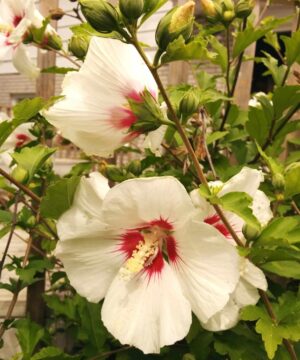
Hibiscus syriacus 'Red Heart'
Red Heart Rose of Sharon$16.99$13.59 Read more This product has multiple variants. The options may be chosen on the product page -

Hibiscus syriacus 'Double Purple'
Double Purple Rose of Sharon$17.99$14.39 Read more This product has multiple variants. The options may be chosen on the product page -
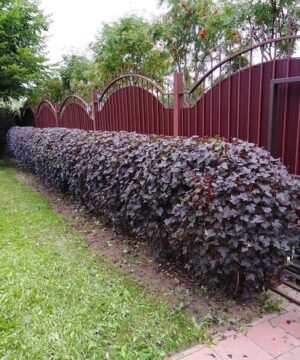
Physocarpus opulifolius 'Monlo' (DiaboloTM)
Purple Leaf Ninebark$7.99 - $43.99$6.39 - $35.19 Read more This product has multiple variants. The options may be chosen on the product page -
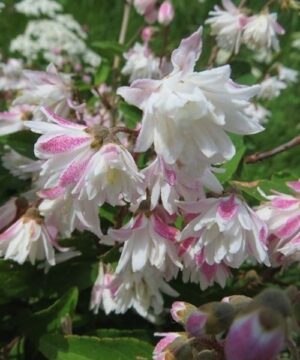
Deutzia x scabra 'Flore Pleno'
Fuzzy Deutzia$16.99$13.59 Read more This product has multiple variants. The options may be chosen on the product page


