




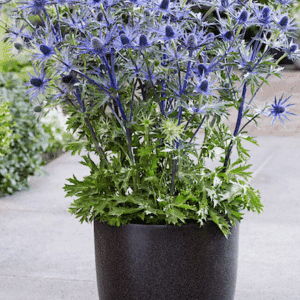

Eryngium zabelii 'Big Blue'
Sea Holly, Big Blue Sea Holly, Big Blue Eryngo
- Main interest:
- attractive steel-blue flowers, excellent fresh and dried cut flowers, attracts bees and butterflies, salt tolerant
- Exposure:
- full sun
- Soil humidity:
- dry soil; well drained
- Growth type:
- clumping
- Flower colour:
- blue
- Flowering period:
- July to September
- Foliage:
- silvery green
- USDA Hardiness:
- zone 5a: -29 °C (-20 °F) View Zone Map
- Mature height & width:
- height: 2.5 ft (75 cm) width: 1.5 ft (60 cm)
- Use:
- coastal garden, mass planting, container
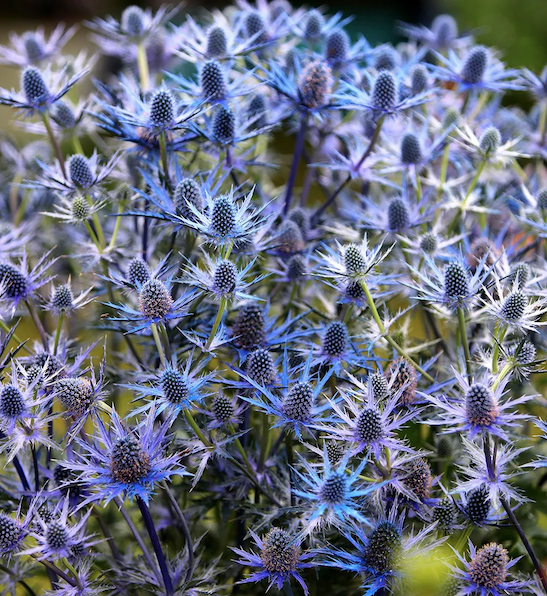
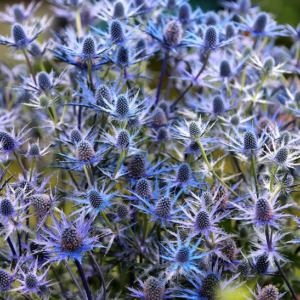
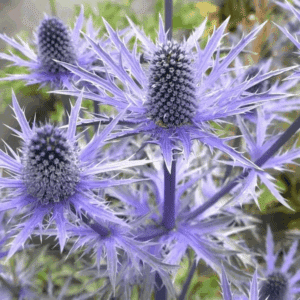
Big Blue Sea Holly is a spectacular sea holly with electric steel-blue flowers on sturdy blue stems. Its tiny blue flowers are packed into large, egg-shaped heads that are surrounded by a sculptural, spiky collar of blue bracts. Foliage is unique, spiny-margined, and silvery green. The blue colour extends to stems and upper leaves as the flower matures. Big Blue Sea Holly has the most intense flower and bract colour when grown in full sunlight, and exposed to cool nights.
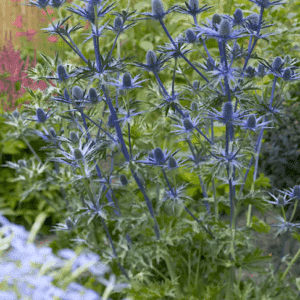
Eryngium zabelii 'Big Blue' is a clump-forming, thistle-like hybrid that has beautiful texture, and grows up to 2.5 feet in height and 1.5 feet in width. It can be grown easily in a wide variety of well-drained soils under full sun. It is tolerant of drought. Big Blue Eryngo spreads very slowly; therefore, to create a great mass effect in your garden, plant 3 to 5 plants at a spacing of 2 ft. This Blue Eryngium has a taproot, so does not transplant well. It is better left undisturbed once established.
Big Blue Sea Holly can be used beautifully in combination with Russian Sage; they both require similar growing conditions. Sea Holly starts to bloom in July and continues to September, while Russian Sage flowers early August to September. So, this combination can provide a display of lavender-blue flowers all summer long. Big Blue Eryngo flowers are perfect for cut or dried flower arrangements. It is an ideal specimen plant and can be used in mass planting and borders. Salt tolerant, it is well suited for coastal gardens as well as roadside landscapes. It is deer resistant and has no serious insect or disease problems. Eryngium zabelii 'Big Blue' attracts bees and butterflies.
- Main interest:
- attractive steel-blue flowers, excellent fresh and dried cut flowers, attracts bees and butterflies, salt tolerant
- Exposure:
- full sun
- Soil humidity:
- dry soil; well drained
- Growth type:
- clumping
- Flower colour:
- blue
- Flowering period:
- July to September
- Foliage:
- silvery green
- USDA Hardiness:
- zone 5a: -29 °C (-20 °F) View Zone Map
- Mature height & width:
- height: 2.5 ft (75 cm) width: 1.5 ft (60 cm)
- Use:
- coastal garden, mass planting, container
Big Blue Sea Holly is a spectacular sea holly with electric steel-blue flowers on sturdy blue stems. Its tiny blue flowers are packed into large, egg-shaped heads that are surrounded by a sculptural, spiky collar of blue bracts. Foliage is unique, spiny-margined, and silvery green. The blue colour extends to stems and upper leaves as the flower matures. Big Blue Sea Holly has the most intense flower and bract colour when grown in full sunlight, and exposed to cool nights.
Eryngium zabelii 'Big Blue' is a clump-forming, thistle-like hybrid that has beautiful texture, and grows up to 2.5 feet in height and 1.5 feet in width. It can be grown easily in a wide variety of well-drained soils under full sun. It is tolerant of drought. Big Blue Eryngo spreads very slowly; therefore, to create a great mass effect in your garden, plant 3 to 5 plants at a spacing of 2 ft. This Blue Eryngium has a taproot, so does not transplant well. It is better left undisturbed once established.
Big Blue Sea Holly can be used beautifully in combination with Russian Sage; they both require similar growing conditions. Sea Holly starts to bloom in July and continues to September, while Russian Sage flowers early August to September. So, this combination can provide a display of lavender-blue flowers all summer long. Big Blue Eryngo flowers are perfect for cut or dried flower arrangements. It is an ideal specimen plant and can be used in mass planting and borders. Salt tolerant, it is well suited for coastal gardens as well as roadside landscapes. It is deer resistant and has no serious insect or disease problems. Eryngium zabelii 'Big Blue' attracts bees and butterflies.
Synonym(s): Eryngium x zabelii 'Big Blue', Eryngium alpinum x bourgatii 'Big Blue', Eryngium x olivierianum 'Myersblue',Eryngium x zabelii 'Myersblue'
Also known as: Big Blue Zabel Sea Holly, Blue Eryngium
Related products
-
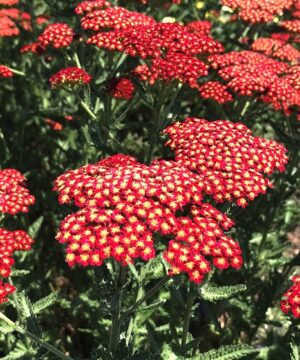
Achillea millefolium 'Sassy Summer Sangria'
Sassy Summer Sangria Yarrow $14.99 Read more This product has multiple variants. The options may be chosen on the product page -
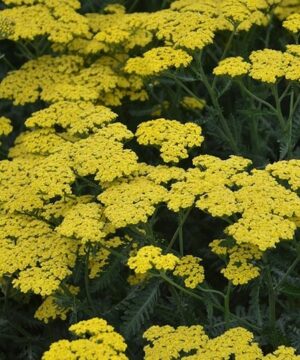
Achillea millefolium 'Sassy Summer Lemon'
Sassy Summer Lemon Yarrow $13.99 Read more This product has multiple variants. The options may be chosen on the product page -
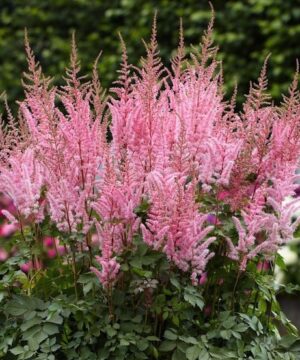
Astilbe chinensis 'Mighty Pip'
Mighty Pip Astilbe $15.99 Read more This product has multiple variants. The options may be chosen on the product page -
Achillea ptarmica 'Noblessa'
Noblessa Yarrow $15.99 Read more This product has multiple variants. The options may be chosen on the product page


